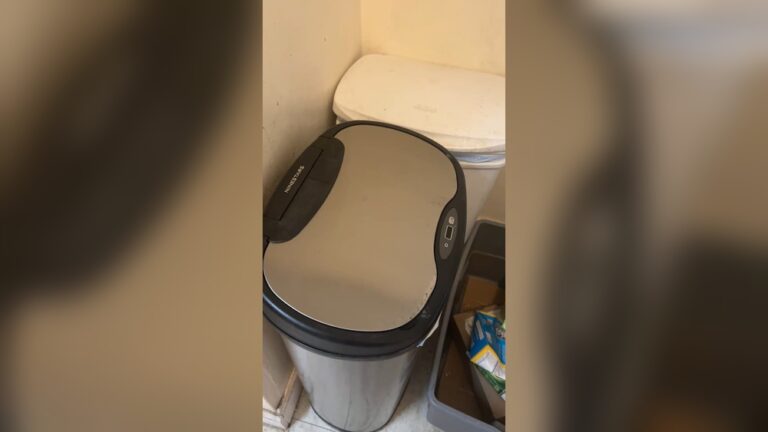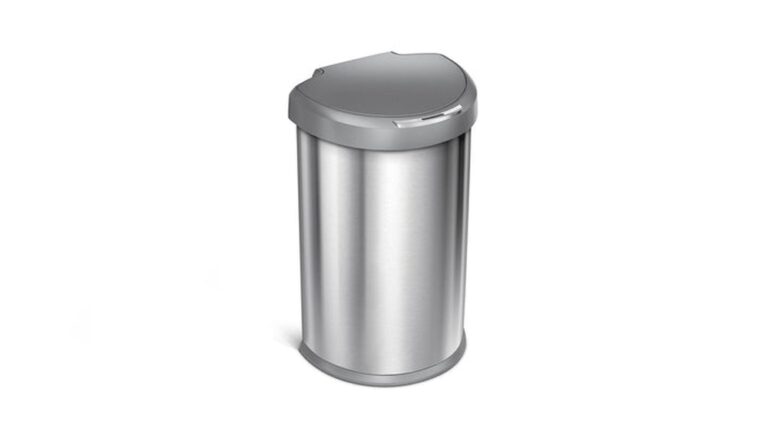
Have you ever noticed your Simplehuman trash can lid making noise every time it closes? That unexpected sound can be annoying, especially when you want a quiet, smooth experience in your kitchen or office.
If you’re wondering why this happens and how to fix it, you’re in the right place. Keep reading to discover easy tips that will help you enjoy a quieter, more efficient trash can lid—no more sudden noises interrupting your day.

Credit: www.simplehuman.com
Reasons For Noisy Lid
The Simplehuman trash can lid making noise can be annoying. Understanding the common reasons helps fix the problem. Some parts wear out or get dirty. Others may become loose or blocked. Checking these areas can bring quiet back.
Loose Hinges
Loose hinges cause the lid to wobble and creak. Hinges may loosen over time with frequent use. Tightening screws or bolts often stops the noise. Regular checks keep the lid steady and silent.
Worn Out Seals
Seals around the lid prevent air and odor leaks. Over time, seals can wear out or crack. This wear causes the lid to make snapping or popping sounds. Replacing old seals restores smooth closing.
Obstructions In Lid Mechanism
Dirt or small objects can block the lid mechanism. These obstructions cause the lid to stick and squeak. Clearing debris helps the lid move freely and quietly. Keep the mechanism clean for best results.
Dirty Or Dry Moving Parts
Moving parts need lubrication to work smoothly. Dust and grime cause friction and noise. Cleaning and applying oil or spray silences the lid. Regular care prevents noisy lids in the future.
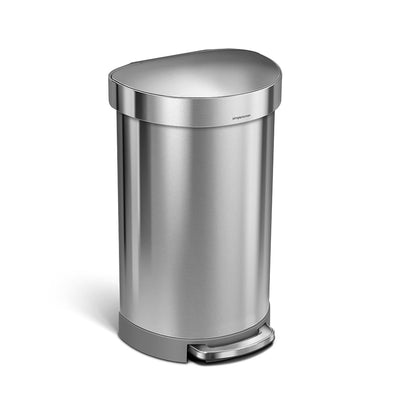
Credit: www.simplehuman.com
Tools Needed For Fixing
Fixing a noisy Simplehuman trash can lid needs the right tools. Having the correct tools makes the process easier and faster. It helps you avoid damage and get the lid working quietly again.
Screwdrivers
Screwdrivers are essential for opening parts of the lid. A Phillips head and a flathead screwdriver cover most screws. Choose the right size to avoid stripping screws or slipping.
Lubricants
Lubricants reduce noise by easing the movement of hinges. Use a silicone spray or light oil for smooth operation. Avoid heavy grease as it can attract dirt and cause more noise.
Cleaning Supplies
Cleaning supplies remove dirt and debris from the lid mechanism. Use a soft cloth, warm water, and mild soap. A small brush helps clean tight spaces where dust collects.
Replacement Parts
Sometimes, broken parts cause the noise and need replacing. Check for worn-out hinges or springs. Order original Simplehuman parts for the best fit and function.
Step-by-step Quiet Fix
The Simplehuman trash can lid making noise can be annoying. Fixing it quietly is easier than it seems. Follow these clear steps to stop the noise fast. Each step focuses on a simple action to restore smooth, silent lid movement.
Inspect The Lid And Hinges
Start by looking closely at the lid and hinges. Check for dirt, damage, or parts out of place. Notice any cracks or bent pieces. A careful inspection helps find the cause of the noise.
Tighten Loose Screws
Use a screwdriver to tighten any loose screws on the lid and hinges. Loose screws cause wobbling and noise. Make sure each screw feels firm but avoid overtightening.
Clean The Lid Mechanism
Remove dust and debris from the lid parts. Use a soft cloth or brush to clean hinges and moving parts. Dirt can block smooth movement and cause sound. Cleaning keeps parts working well.
Apply Lubricant To Moving Parts
Apply a small amount of lubricant like silicone spray to the hinges and moving parts. Lubricant reduces friction and noise. Wipe off any excess to prevent mess. This step helps the lid close quietly.
Replace Damaged Seals Or Parts
Check seals and parts for wear or damage. Replace any broken or worn pieces with new ones from Simplehuman. New parts improve sealing and reduce noise. This keeps the lid working like new.
Preventing Future Noise
Noise from a Simplehuman trash can lid can be annoying. Preventing this noise keeps your kitchen calm and clean. Small actions can stop the lid from making sounds. Regular care and correct use help the lid work smoothly. Follow easy steps to keep the lid quiet and in good shape.
Regular Cleaning Routine
Clean the lid often to avoid dirt build-up. Wipe the edges and hinges with a damp cloth. Use mild soap to remove grease and grime. Dry the parts well to stop rust and squeaks. A clean lid moves quietly without sticking or rubbing.
Proper Lid Usage
Open and close the lid gently every time. Avoid slamming it shut to prevent damage. Place trash bags correctly to avoid pressure on the lid. Check the lid alignment often to keep it balanced. Proper use stops wear and keeps noise low.
Routine Maintenance Tips
Lubricate moving parts with a light oil or spray. Check screws and hinges and tighten if loose. Replace worn parts quickly to avoid noise increase. Inspect the lid regularly for cracks or damage. Small fixes stop noise before it becomes a problem.
When To Contact Support
The Simplehuman trash can lid making noise can be frustrating. It might signal a small issue or a bigger problem. Knowing when to contact support helps save time and effort. Some noises need expert help for safety and proper repair.
Warranty Considerations
Check your trash can’s warranty before calling support. Most Simplehuman products have a limited warranty. The warranty may cover parts or repairs. Avoid fixing the lid yourself if the warranty is active. Doing so could void the warranty. Contact support to learn about your coverage. They can guide you on the next steps.
Professional Repair Options
Support can offer professional repair services. They use the right tools to fix the lid quietly. Professional repairs prevent damage to the trash can. Support can tell you if repair is possible. They will also explain repair costs and timing. This option is best for complex problems.
Replacement Recommendations
Sometimes a noisy lid means replacement is needed. Support can help decide if a new lid or can is best. They recommend original Simplehuman parts for proper fit. Using genuine parts keeps your trash can working well. Support can direct you to trusted sellers. This ensures you get quality replacements.

Credit: www.simplehuman.com
Frequently Asked Questions
Why Does My Simplehuman Trash Can Lid Make Noise?
The lid noise often comes from worn or dirty hinges. Regular cleaning and lubrication can reduce the sound. Check if the lid is properly aligned to avoid extra friction. Sometimes, tightening screws or replacing parts helps eliminate noise completely.
How Can I Fix A Noisy Simplehuman Trash Can Lid?
Clean the lid’s hinges and apply silicone spray or light oil. Tighten any loose screws that may cause rattling. Adjust the lid’s alignment to ensure smooth closing. If noise persists, consider contacting Simplehuman support for replacement parts.
Is A Noisy Trash Can Lid A Sign Of Damage?
Not always. Noise usually indicates friction or loose components, not severe damage. Regular maintenance like cleaning and lubrication can fix it. However, persistent noise might signal worn parts needing replacement to avoid further issues.
Can I Prevent My Simplehuman Lid From Making Noise?
Yes, regular cleaning and lubrication prevent noise buildup. Avoid slamming the lid to reduce wear. Check hinges for tightness and alignment monthly. Proper care extends the lid’s lifespan and keeps it operating quietly.
Conclusion
Simplehuman trash can lids can sometimes make noise. This noise may come from hinges or tight seals. Regular cleaning and lubrication help reduce the sound. Check for loose parts and tighten them as needed. Quiet lids make your kitchen more peaceful.
Small fixes often solve the problem quickly. Enjoy a smoother, quieter trash can experience every day.