Is your Whirlpool trash compactor acting up and leaving you frustrated? You rely on it to keep your kitchen clean, but when it stops working, it can throw off your whole routine.
Don’t worry—you’re not alone, and you don’t have to call a repair person just yet. This guide will help you quickly identify and fix common problems with your Whirlpool trash compactor. By the end, you’ll feel confident tackling those glitches yourself and getting your compactor back in perfect shape.
Keep reading to save time, money, and stress!

Credit: www.repairclinic.com
Common Issues
Whirlpool trash compactors are useful kitchen helpers. Like any machine, they may have issues. Knowing common problems helps fix them fast. This saves time and money. Here are frequent issues users face.
Power Problems
The compactor may not turn on. Check if it is plugged in properly. Sometimes, the outlet has no power. A tripped circuit breaker can cause this. Make sure the power switch is on. Loose wires inside can also stop power flow.
Motor Failures
The motor drives the compactor plate. If it fails, the plate won’t move. Motors can burn out from overuse. A bad motor may cause a burning smell. Listen for humming sounds without movement. Replacing the motor may be necessary.
Door Latch Issues
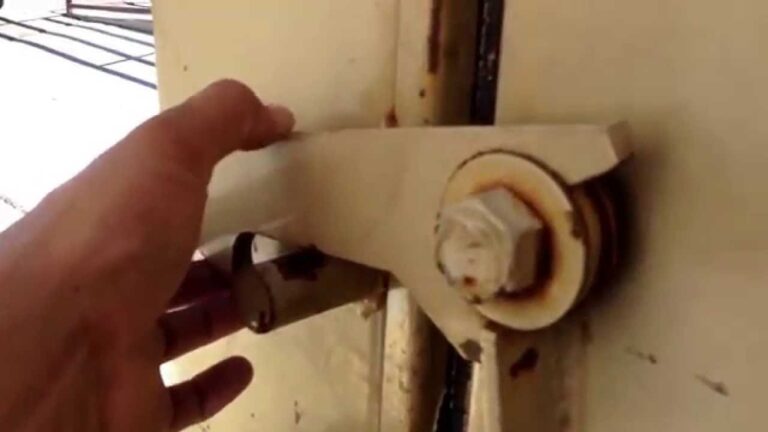
The door latch keeps the compactor safe. If the latch is broken, the compactor won’t start. Dirt or debris can block the latch. The latch switch may fail over time. Check the latch for damage or dirt buildup. Clean or replace it if needed.
Jammed Compactor Plate
The plate may get stuck during use. Large or hard items can cause jams. Debris can block the plate’s path. Do not force the plate to move. Turn off the compactor before checking. Remove the jam carefully to avoid damage.
Unusual Noises
Strange sounds often signal a problem. Grinding or squealing means parts may wear out. Loose components can cause rattling. A noisy motor might need repair. Stop using the compactor if noises persist. Inspect or call a technician for help.
Safety Tips
Safety is the top priority when fixing your Whirlpool trash compactor. Follow basic safety tips to avoid injuries and damage. Simple steps make repairs safer and easier. Pay close attention to these precautions before starting any troubleshooting task.
Disconnecting Power
Always unplug the compactor before working on it. This stops electric shocks and accidental starts. Use the main power switch or unplug from the wall socket. Never touch internal parts while the machine is connected to power.
Handling Sharp Components
The compactor has sharp edges inside. Wear gloves to protect your hands. Be careful with metal parts and blades during repairs. Avoid rushing and use tools to handle sharp components safely.
Avoiding Overloading
Do not overload the trash compactor. Excessive trash can cause jams or damage. Follow the recommended capacity in the user manual. Overloading makes troubleshooting harder and may harm the machine.
Basic Fixes
Basic fixes solve many common problems with Whirlpool trash compactors. These simple steps often restore the compactor’s function quickly. They do not need special tools or skills. Follow these easy tips to keep your compactor working well.
Resetting The Compactor
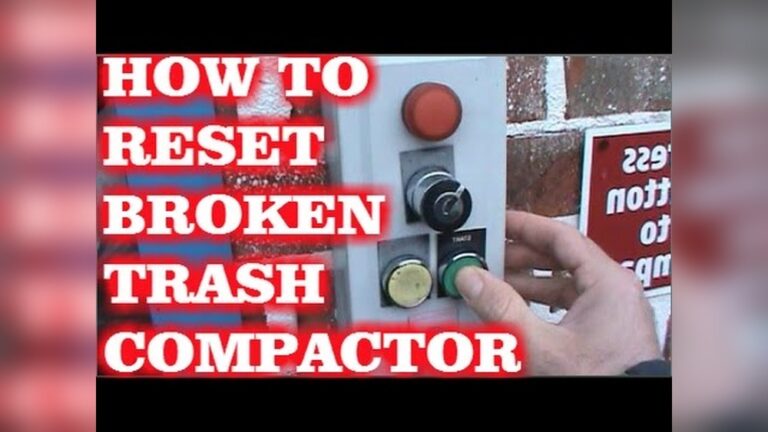
Resetting the compactor can clear minor errors. Start by unplugging the unit from the power source. Wait about five minutes to let it reset fully. Plug it back in and press the reset button if available. This step often restores normal operation.
Clearing Jams
Jams stop the compactor from working properly. Open the compactor and remove any stuck trash carefully. Use gloves to protect your hands. Avoid forcing the parts to move. Clear all debris to allow smooth operation again.
Replacing Fuses Or Circuit Breakers
A blown fuse or tripped breaker can cause power loss. Check your home’s fuse box or breaker panel. Replace any blown fuses with the same rating. Reset tripped breakers by switching them off and on. This restores power to the compactor safely.
Lubricating Moving Parts
Moving parts need lubrication to work smoothly. Use a light machine oil on hinges and levers. Avoid over-oiling, which can attract dust and dirt. Regular lubrication reduces wear and prevents noisy operation.
Credit: mbsr-montpellier.com
When To Call A Technician
Knowing when to call a technician for your Whirlpool trash compactor is important. Some problems need expert care to avoid more damage. Trying to fix complex issues alone can be risky and costly. Hiring a professional ensures safe and proper repairs. Here are signs that you should call a technician right away.
Persistent Electrical Problems
Electrical issues that keep happening need expert attention. Flickering lights or no power might signal a wiring problem. A technician can safely check and fix electrical faults. Avoid using the compactor until the problem is solved. This prevents electric shocks or fire hazards.
Motor Replacement
The motor is the heart of your trash compactor. If it stops working or makes strange noises, it might need replacement. Motor repairs require special tools and knowledge. A professional can replace the motor and test the compactor. This helps avoid future breakdowns and ensures smooth operation.
Complex Mechanical Repairs
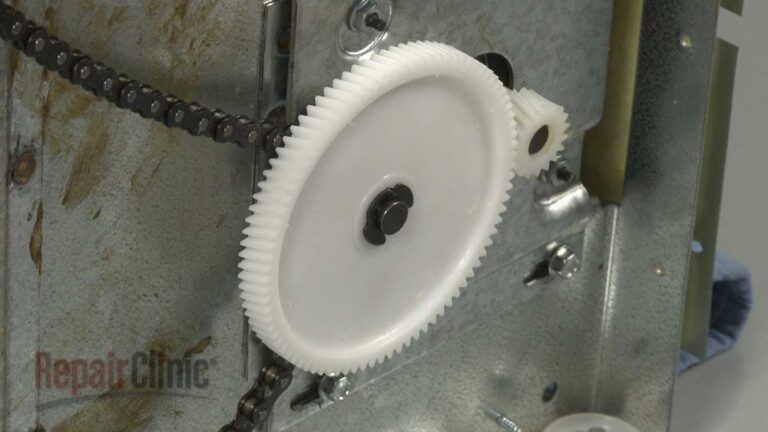
Mechanical parts like gears and belts can wear out over time. Fixing or replacing them can be tricky and needs skills. A technician understands how to access and repair these parts safely. They will also check for other hidden issues. This keeps your compactor running like new for longer.
Maintenance Tips
Keeping your Whirlpool trash compactor in good shape helps it last longer and work better. Regular maintenance avoids common problems and keeps the machine running smoothly. Follow these simple tips to care for your compactor.
Regular Cleaning
Clean the compactor often to stop bad smells and dirt buildup. Wipe the inside with a damp cloth and mild soap. Remove any trash stuck inside. Clean the door seals to keep them tight and fresh. Dry all parts before closing the compactor.
Inspecting Components
Check the compactor parts regularly for wear or damage. Look at the ram, door latch, and motor. Make sure the power cord is not frayed. Tighten loose screws or bolts. Replace broken parts quickly to avoid bigger issues.
Proper Usage Practices
Use the compactor only for trash it can handle. Do not put in large or hard items. Avoid wet or sticky trash that can clog the machine. Close the door firmly before starting. Follow the user guide for best results.

Credit: www.youtube.com
Frequently Asked Questions
Why Is My Whirlpool Trash Compactor Not Turning On?
Check if the compactor is plugged in and the door is fully closed. Also, inspect the reset button and circuit breaker for issues.
How To Fix A Jammed Trash Compactor In Whirlpool Model?
Turn off and unplug the unit. Remove debris carefully from the ram area. Use the manual override lever if available.
What Causes A Whirlpool Trash Compactor To Stop Mid-cycle?
Overloading or a jam can cause it to stop. Clear any blockages and ensure the load isn’t too heavy.
How To Reset A Whirlpool Trash Compactor Safely?
Unplug the compactor and wait for about 5 minutes. Plug it back in and press the reset button if your model has one.
Conclusion
Whirlpool trash compactors can face common problems. Simple checks often fix these quickly. Keep the unit clean and clear of jams. Check power connections and door latches regularly. Regular care helps your compactor work well longer. Don’t ignore warning signs or unusual noises.
Small troubles caught early avoid big repairs. Following these steps saves time and money. Your compactor will stay reliable with basic upkeep. Troubleshooting is easier with patience and care. Stay confident handling minor issues yourself.