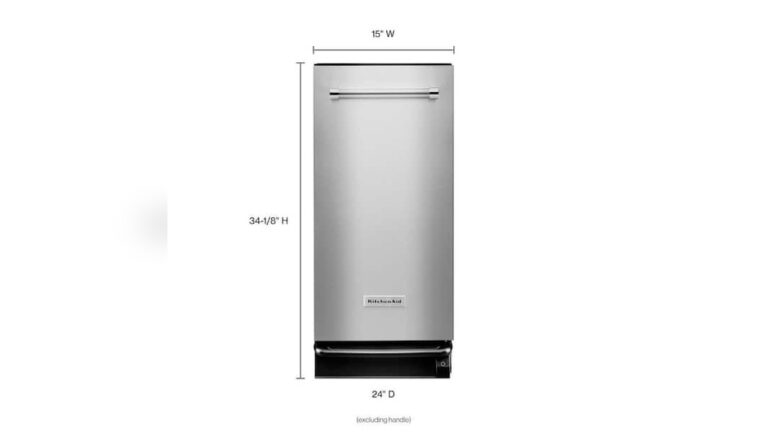
Is your KitchenAid trash compactor not working the way it should? You rely on it to keep your kitchen clean and waste manageable, so when it stops working, it can be frustrating.
But don’t worry—most problems are easier to fix than you think. In this guide, you’ll discover simple troubleshooting tips that can save you time and money. Keep reading to get your compactor back in action quickly and stress-free.

Credit: www.youtube.com
Common Issues
KitchenAid trash compactors are helpful for managing waste efficiently. Yet, like all machines, they face some common problems. Knowing these issues helps in quick fixes and saves time.
Most problems happen due to electrical faults, mechanical wear, or blockages. Understanding symptoms guides users to take the right steps. Below are some frequent troubles and how they show up.
Compactor Won’t Start
The most common issue is the compactor not starting at all. Check if the power cord is plugged in firmly. The door might not be fully closed, stopping operation. Sometimes, the reset button needs pressing to restore power. A blown fuse or tripped breaker can also stop the unit.
Motor Runs But No Compression
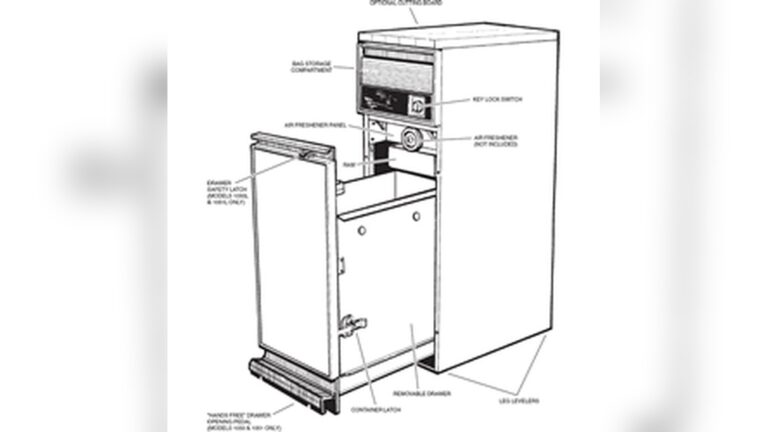
The motor sounds like it works, but the trash stays uncompressed. This issue often means the ram or tray is stuck. Objects inside might block the ram from moving down. The drive belt could be loose or broken. Inspect these parts for damage or blockage.
Tray Won’t Retract
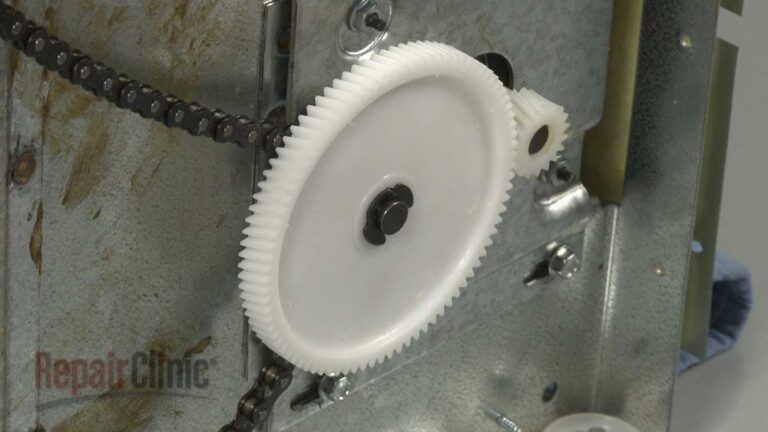
The tray stays stuck and will not pull back after compacting. Dirt or trash caught in the tracks can cause this. The motor might fail to reverse due to a wiring problem. Gears inside may be worn out or jammed. Cleaning and checking the mechanism helps solve this.
Unusual Noises
Strange sounds like grinding or squeaking mean trouble. Lack of lubrication on moving parts causes noise. Debris caught in the compactor parts also creates bad sounds. Worn motor bearings or gears can be noisy. Regular cleaning and maintenance reduce these issues.
Basic Checks
Basic checks help fix many common problems with your KitchenAid trash compactor. Start with simple steps. These can save time and avoid costly repairs. Check power, door, and trash bag placement first. These checks make sure the compactor works safely and properly.
Power Supply And Outlet
Ensure the compactor is plugged into a working outlet. Test the outlet by plugging in another device. If the outlet does not work, try a different one. Check the power cord for damage or loose connections. Make sure the circuit breaker is not tripped. Power issues often cause the compactor not to start.
Door Switch Functionality
The compactor will not run if the door is open or the switch is faulty. Press the door firmly to close it. Listen for a click sound from the door switch. If no click, the door switch may be broken. Clean around the door latch and switch to remove debris. Replace the door switch if it does not work properly.
Trash Bag Placement
Incorrect trash bag placement can stop the compactor from working. Use only bags designed for trash compactors. Place the bag evenly inside the chamber. Avoid overfilling the bag or letting it block the door. Check that the bag does not get caught in the compactor parts. Proper bag placement helps the compactor run smoothly.
Mechanical Problems
Mechanical problems often cause a KitchenAid trash compactor to stop working properly. These issues affect the moving parts inside the machine. Fixing mechanical problems can bring your compactor back to life without a costly replacement.
Jammed Ram
The ram pushes trash down in the compactor. If it gets jammed, the machine stops working. Trash can get stuck between the ram and the sides. This blockage prevents the ram from moving. Clear any debris or stuck trash to free the ram. Check for objects that may block the ram’s path.
Worn Or Broken Parts
Parts like gears, belts, or motors wear out over time. Worn parts can cause strange noises or no movement. Broken parts stop the compactor from working at all. Inspect the compactor for any visible damage. Replace damaged or worn parts to restore function. Use parts made for your specific KitchenAid model.
Lubrication Needs
Mechanical parts need lubrication to work smoothly. Dry or rusty parts cause the compactor to jam or make noise. Apply a small amount of lubricant to moving parts. Avoid using too much oil, which can attract dirt. Regular lubrication keeps the compactor running quietly and efficiently.

Credit: www.armadillo.one
Electrical Troubleshooting
Electrical problems can stop your KitchenAid trash compactor from working properly. Knowing how to check and fix these issues helps save time and money. This section covers common electrical troubles and simple ways to find the cause.
Blown Fuses And Circuit Breakers
Start by checking your home’s circuit breaker or fuse box. A tripped breaker or blown fuse can cut power to the compactor. Reset the breaker or replace the fuse if needed. This often solves the problem quickly.
Unplug the compactor before checking fuses to stay safe. If the breaker trips again after resetting, call an electrician.
Faulty Wiring Or Connections
Loose or damaged wires can stop the compactor from working. Look behind the appliance for loose plugs or frayed wires. Tighten any loose connections carefully.
Turn off power before inspecting wiring. Repair or replace damaged wires to avoid electrical shocks or fires.
Control Board Issues
The control board manages the compactor’s functions. If it fails, the compactor may not start or respond. Signs include no lights or buttons not working.
Reset the compactor by unplugging it for a few minutes. If the problem continues, the control board might need a professional check or replacement.
Maintenance Tips
Proper maintenance keeps your KitchenAid trash compactor working well. It helps avoid common problems. Simple care steps extend the life of your appliance. Follow these tips to keep your compactor clean and efficient.
Regular Cleaning
Clean the trash compactor often to stop bad smells. Use a soft cloth and mild soap. Wipe down the inside and outside surfaces. Remove any stuck debris from the compactor plate. Avoid harsh chemicals that can damage the parts.
Proper Trash Bag Use
Use the right size trash bags made for compactors. Bags that are too small or large can cause jams. Do not overfill the bag to allow easy compaction. Check the bag placement to avoid tearing during use.
Periodic Inspections
Look at your compactor regularly for signs of wear. Check the power cord and switch for damage. Listen for unusual noises during operation. Tighten any loose screws or bolts. Early checks prevent bigger issues later.

Credit: www.youtube.com
When To Call A Professional
Knowing when to call a professional for your KitchenAid trash compactor can save time and avoid damage. Some issues need expert help to fix safely and correctly. Recognizing these moments helps protect your appliance and your home.
Safety Concerns
Electric parts inside the compactor can cause shocks. Avoid touching wires or motors if you see sparks or smell burning. Stop using the compactor if it makes strange noises or smells. A professional can handle electrical problems safely.
Complex Repairs
Some problems need special tools or skills. Motor failure, broken switches, or jammed mechanisms often require expert repair. Trying to fix these can cause more damage. Professionals can diagnose and repair complex issues properly.
Warranty Considerations
KitchenAid products usually come with warranties. DIY repairs might void your warranty. Calling a professional ensures your warranty stays valid. Check your warranty terms before attempting any repairs yourself.
Conclusion
Troubleshooting your Kitchenaid trash compactor can save time and money. Start with simple checks like power supply and door closure. Clean the unit regularly to avoid jams and odors. Follow safety steps carefully during repairs. Small fixes often solve common problems quickly.
Regular care keeps your compactor working well for years. Don’t ignore unusual noises or smells. They often signal issues that need attention. Staying patient and methodical helps you fix problems with ease. Your trash compactor will serve you better with simple, steady care.