Is your GE trash compactor not working like it used to? You rely on it to keep your kitchen clean and waste under control, so when it stops running smoothly, it can be frustrating.
But don’t worry—fixing common problems might be easier than you think. In this guide, you’ll discover simple troubleshooting tips that can get your compactor back in action quickly. Keep reading, and you’ll learn how to solve those annoying issues without calling a repair service or buying a new unit.
Your trash compactor will thank you!

Credit: www.youtube.com
Common Issues With Ge Trash Compactors
GE trash compactors are useful for reducing waste size. Yet, they can face common issues that stop them from working well. Knowing these problems helps you fix them faster. This section covers frequent troubles and what causes them.
Compactor Won’t Start
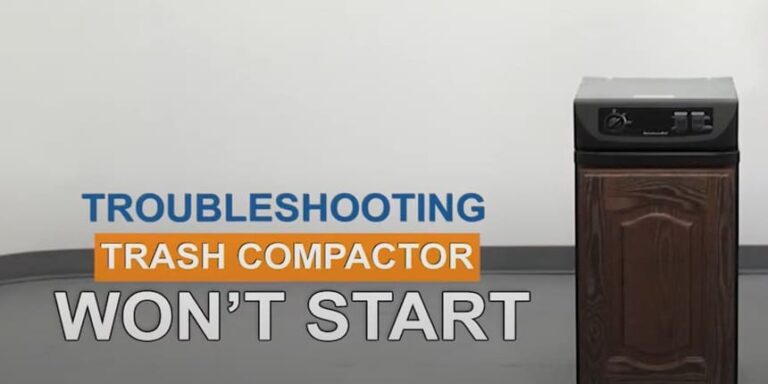
The compactor may not start due to power issues. Check if it is plugged in properly. A blown fuse or tripped breaker might block power. The door switch could be faulty, stopping the machine from running. Sometimes, the start button itself can wear out.
Motor Runs But Compactor Doesn’t Operate
The motor running but no compaction means a mechanical problem. The drive belt might be broken or loose. Gears inside the compactor can wear down or slip. This stops the compactor ram from moving. Inspect these parts to find the cause.
Compactor Stops Mid-cycle
A compactor that stops midway usually has an overload issue. Too much trash or a jam can cause it to stop. The motor might overheat and trigger a safety shutoff. Clearing jams and letting the motor cool can help. Check if the cycle switch is working correctly.
Unusual Noises During Operation
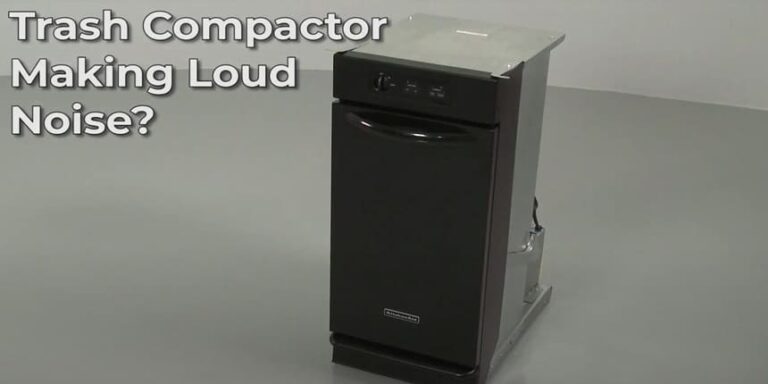
Strange sounds often mean parts are worn or damaged. Loose components like screws or bolts can rattle. The motor bearings might be failing, causing grinding noises. Trash stuck inside the compactor also creates noise. Regular cleaning and inspection reduce these sounds.
Door Latch Problems
The door latch must close securely for the compactor to run. A broken latch or misaligned door stops operation. Dirt or debris can block the latch from locking properly. Adjusting or replacing the latch fixes this issue. Always check the door before starting the cycle.

Credit: www.repairclinic.com
Basic Troubleshooting Steps
Basic troubleshooting steps help fix common issues with your GE trash compactor. These simple checks save time and avoid service calls. Start with easy actions before calling a technician. Follow these steps carefully for better results.
Checking Power Supply
Make sure the compactor is plugged in securely. Check the outlet by plugging in another device. Look for tripped circuit breakers or blown fuses in your home panel. Without power, the compactor will not work at all. Confirm power before moving on.
Inspecting The Door Switch
The door switch stops the compactor from running if the door is open. Check if the door closes properly and presses the switch. Clean the switch area from dirt or debris. Replace the switch if it feels loose or broken. This step ensures safety and proper operation.
Resetting The Compactor
Resetting can clear minor faults and restart the system. Locate the reset button, usually near the power cord or control panel. Press and hold it for a few seconds. Unplug the unit, wait one minute, then plug it back in. This often restores normal function.
Clearing Jammed Trash
Jammed trash stops the compactor from running smoothly. Open the door and look for stuck items blocking the ram. Use gloves to remove large or sharp objects carefully. Avoid forcing the ram manually. Clear the jam to allow the compactor to work again.
Motor And Electrical Fixes
The motor and electrical parts are key to your GE trash compactor’s performance. Problems in these areas often cause the unit to stop working or run poorly. Checking and fixing these parts can bring your compactor back to life without costly repairs. This guide covers simple steps to test the motor, replace the motor relay, and check wiring and connections.
Testing The Motor
Start by unplugging the trash compactor. Remove the motor cover to access the motor. Use a multimeter set to ohms to test motor windings. Place the probes on the motor terminals. A reading showing continuity means the motor is good. No reading or infinite resistance means the motor is faulty. Check for any burnt smells or visible damage on the motor. Clean any dust or debris around the motor before testing. Testing helps avoid replacing a working motor.
Replacing The Motor Relay
The motor relay controls power to the motor. A faulty relay stops the motor from running. Locate the relay near the motor or control panel. Remove the relay carefully, noting its position. Buy a replacement relay matching the model number. Install the new relay in the same spot. Test the compactor to see if the motor starts. Replacing the relay is often cheaper than replacing the motor.
Examining The Wiring And Connections
Loose or damaged wiring causes power issues and motor failure. Check all wires connected to the motor and relay. Look for frayed, burnt, or disconnected wires. Tighten any loose connections with a screwdriver. Replace wires that look damaged or worn out. Use electrical tape or wire nuts for secure connections. Clean any corrosion found on terminals with a small brush. Proper wiring ensures steady power flow to the motor.
Mechanical Repairs
Mechanical repairs are common fixes for GE trash compactors. These repairs keep the compactor running smoothly. They involve checking and fixing parts that move or make the compactor work. Understanding these repairs helps you save money and avoid long waits for a technician.
Fixing The Ram Movement
The ram is the part that pushes trash down. If it does not move, the compactor won’t work. Check for any blockages that stop the ram. Sometimes, debris or jammed trash blocks its path. Clear anything stuck to let the ram move freely.
Look at the ram’s motor and switch. If the motor is weak, the ram may move slowly or not at all. Test the switch to see if it sends power to the motor. Replace broken parts to restore ram movement.
Replacing The Drive Belt
The drive belt powers the ram’s motion. A worn or broken belt stops the compactor from working. Remove the panel to find the belt inside. Check for cracks, frays, or slack in the belt.
Replace the old belt with a new one of the same size. Tighten the belt properly for smooth operation. A loose belt can slip and cause poor compaction. Regular checks prevent sudden failures.
Lubricating Moving Parts
Moving parts need lubrication to avoid wear and tear. Use a light machine oil or silicone spray on hinges and gears. Avoid heavy grease as it can attract dirt.
Lubricate parts every few months. This keeps the compactor working quietly and efficiently. Proper lubrication extends the life of mechanical parts and reduces repair costs.
Preventive Maintenance Tips
Preventive maintenance helps keep your GE trash compactor working well. It stops common problems before they start. Simple steps can save time and repair costs. Follow these tips to extend your compactor’s life and improve its performance.
Regular Cleaning
Clean the compactor often. Remove any dirt or trash stuck inside. Wipe down the exterior with a damp cloth. Clear the area around the motor and blades. This prevents clogs and keeps the parts moving smoothly. Clean machines last longer and work better.
Avoiding Overloading
Do not put too much trash inside at once. Overloading makes the motor work too hard. It can cause jams or damage parts. Add trash in small amounts. This helps the compactor press the trash evenly. It also lowers the risk of breakdowns.
Using The Right Trash Bags
Choose strong, heavy-duty trash bags. Thin bags can tear easily inside the compactor. Tears cause trash to spill and block the machine. Use bags that fit well and are made for compactors. This keeps the compactor clean and running smoothly.

Credit: www.youtube.com
When To Call A Professional
Knowing when to call a professional for your GE trash compactor saves time and prevents damage. Some problems are simple to fix. Others need expert help to avoid risks and costly repairs.
Recognizing the signs of serious trouble helps you decide the right action fast. Here are key situations when calling a professional is the best choice.
Complex Electrical Issues
Electrical problems can be dangerous. Faulty wiring or motor issues need a trained technician. Avoid handling wires or circuits yourself. Professionals have tools and skills to fix these safely. They can test the electrical parts and replace damaged components correctly.
Major Mechanical Failures
Parts like the ram, motor, or gears can break down. If the compactor stops working or makes strange noises, it may need major repair. Do not try to force or take apart these parts. A professional can find the cause and fix it without causing more damage.
Warranty And Service Options
Check your GE trash compactor’s warranty before any repair. Many repairs are covered by warranty and done by authorized service providers. Calling a professional ensures your warranty stays valid. They also offer genuine parts and service that meet GE’s standards.
Conclusion
Troubleshooting your GE trash compactor can save time and money. Start with simple checks like power and jam issues. Clean parts gently to keep the compactor working well. Small fixes often solve common problems quickly. Remember to follow safety steps during repairs.
Regular care helps your appliance last longer. Stay patient and methodical for best results. Keep this guide handy for easy reference. Your GE trash compactor can run smoothly again.