Is your trash compactor suddenly making loud noises? That annoying sound can be more than just a nuisance. It might signal a problem that needs your attention.
You rely on your compactor to keep your kitchen clean and waste under control. When it starts acting up, it disrupts your routine and can even cause damage if ignored.
You’ll discover the common reasons behind those loud noises and simple steps you can take to fix them. Keep reading to save yourself from money and frustration.
Common Causes Of Loud Noise
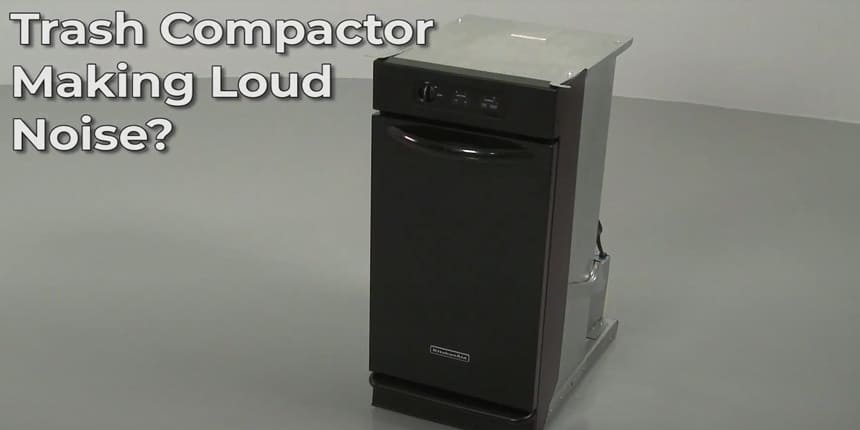
Loud noise from a trash compactor can be frustrating. It often signals a problem that needs attention. Mastery of common causes helps you fix the issue faster.
#1 Loose Or Worn Parts
Loose or worn parts often cause loud sounds. Over time, screws, bolts, or panels can become loose.
Worn belts or rollers may also create noise. These parts vibrate or hit other components during operation.
Fix: Tightening or replacing them usually stops the noise.
#2 Jammed Trash Or Debris
Trash or debris stuck inside the compactor can make loud noises.
Hard or large objects block the mechanism. The motor strains to push the trash, causing grinding sounds.
Solution: Clearing out the jam carefully can restore quiet operation. Avoid forcing the machine to prevent damage.
#3 Motor And Gear Issues
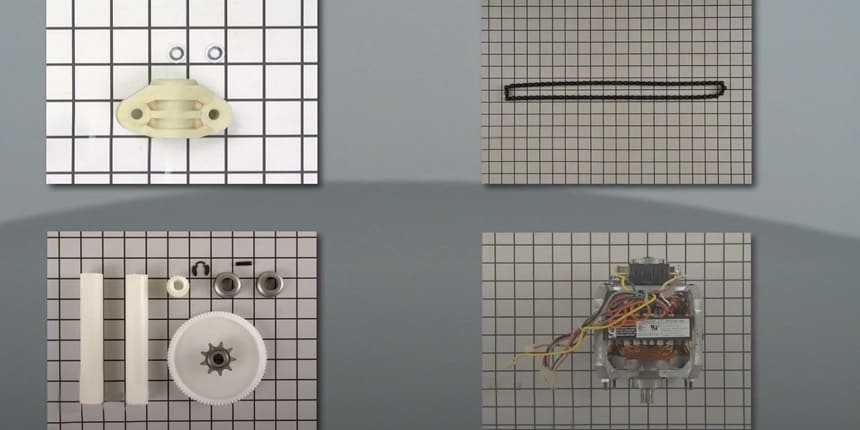
The motor and gears power the compactor. If they wear out or get damaged, noise increases.
Grinding, humming, or rattling sounds may occur. Lack of lubrication or broken gears also causes problems.
Fix: Use lubricant to gear up the machine motor.
#4 Unbalanced Trash Load
An unbalanced load creates extra noise and stress on the machine.
Uneven trash distribution causes parts to work harder. The compactor may shake or make banging sounds.
Solution: Spreading trash evenly reduces noise and improves performance.
Safety Precautions Before Fixing
Fixing a trash compactor that makes loud noises needs care and caution. Safety is the first step before any repair work begins. Taking the right safety steps protects you from injury and stops more damage to the machine.
Follow these important safety tips to prepare for fixing your trash compactor.
1. Disconnect Power Supply
Always unplug the trash compactor before starting any repairs. Cutting off the power stops the machine from turning on unexpectedly.
This simple step avoids electric shocks and moving parts accidents. Never work on the compactor while it is connected to power.
2. Use Protective Gear
Wear gloves to protect your hands from sharp edges and dirt. Safety glasses keep dust and debris out of your eyes.
Use closed shoes to guard your feet from heavy parts that might fall.
Protective gear helps you stay safe during the repair process.
Quick Fixes To Silence Your Trash Compactor Noise
Trash compactors can get noisy over time. Loud sounds often mean something needs fixing.
Quick fixes can stop the noise fast. These tips help you fix the problem yourself. No need to call a repair service right away.
Step 1: Tighten Loose Components
Loose parts often cause rattling noises. Use a screwdriver or wrench to check bolts.
Tighten any screws or nuts you find loose.
This simple step stops many common noises.
Step 2: Clear Jammed Trash
Trash stuck inside blocks the compactor. Turn off and unplug the machine first.
Remove the jammed trash carefully by hand. Clearing the blockage helps the compactor run quietly.
Step 3: Lubricate Moving Parts
Dry parts create grinding or squeaking sounds. Use a light oil or silicone spray on hinges and rollers.
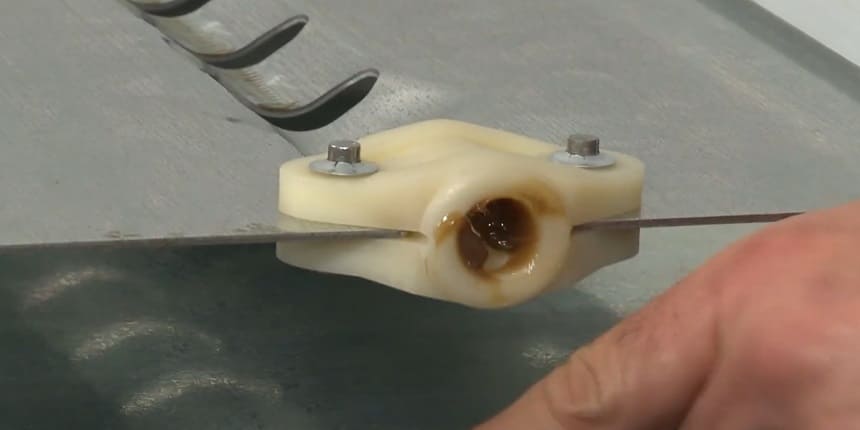
Lubrication helps parts move smoothly and quietly. Wipe away extra oil to avoid mess.
Step 4: Realign Or Replace Worn Parts
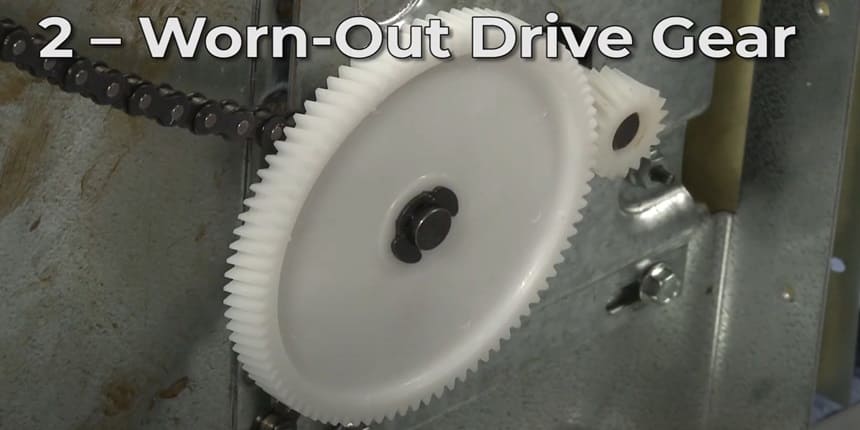
Misaligned parts cause unusual sounds and poor function. Check belts, rollers, and other components for wear. Adjust or replace parts that look damaged.
When To Call A Professional
Some noises mean simple fixes, but others need expert care. Recognizing signs helps keep your appliance safe and working well.
Persistent Noise After Fixes
Sometimes noises continue even after basic checks. Tightening screws or clearing jams might not stop the sound. Persistent noise suggests deeper problems.
Professionals have tools and skills to find hidden issues. Calling them avoids worsening damage and costly repairs.
Electrical Or Motor Problems
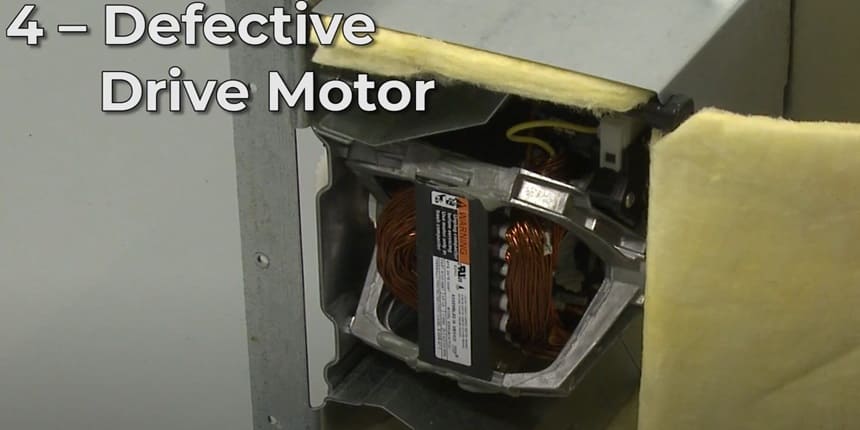
Loud humming or buzzing often links to electrical or motor faults. These parts are tricky and dangerous to fix alone.
Faulty wiring or a failing motor needs expert attention. Professionals ensure safe repair and prevent fire risks. Avoid using the compactor until a technician checks it.
Complex Mechanical Issues
Grinding, rattling, or clanking sounds show mechanical troubles. Broken gears or worn parts cause these noises.
Fixing complex parts requires experience and special tools. A professional can replace or repair parts properly. This stops damage and extends the machine’s life.
Preventive Tips To Avoid Noise
Noise from a trash compactor can be annoying and disruptive. Taking steps to prevent loud sounds helps keep your kitchen peaceful. Simple habits can reduce noise and extend the machine’s life.
Regular Maintenance Routine
Clean the compactor regularly to avoid dirt buildup. Check moving parts for wear and tear often.
Tighten loose screws and bolts to stop rattling. A well-maintained compactor runs quietly and lasts longer.
Proper Trash Loading Techniques
Place trash evenly inside the compactor. Avoid pushing trash too hard or unevenly.
Balanced loading reduces strain on the motor and parts. This practice lowers noise and improves efficiency.
Avoiding Overloading
Never fill the compactor beyond its limit. Overloading causes the machine to work harder and get noisy.
Empty the bin before it becomes too full. This prevents jams and loud grinding sounds.
Using Recommended Trash Bags
Use bags that fit your compactor’s size and type. Thin or weak bags can tear and cause noise.
Strong bags hold trash well and help the compactor operate smoothly.
Follow the manufacturer’s bag guidelines for best results.
Frequently Asked Questions
Why Is My Trash Compactor Making Loud Noises?
Loud noises often signal jammed debris or misaligned parts. Check for stuck items or loose components and clear them carefully.
How Can I Fix A Noisy Trash Compactor?
Turn off the power and inspect for obstructions. Tighten loose screws and lubricate moving parts to reduce noise.
Is A Loud Trash Compactor A Sign Of Damage?
Yes, persistent loud noises may indicate worn motor parts or structural damage needing professional repair.
When Should I Call A Technician For Trash Compactor Noise?
If noise continues after cleaning and tightening, or if unusual sounds persist, contact a professional for inspection.
Conclusion
A loud noise from your trash compactor can be worrying. It often signals a simple fix or a part that needs checking. Regular cleaning and proper use help prevent noise issues. Small problems don’t need expensive repairs if caught early.
Pay attention to unusual sounds to keep your compactor working well. Quiet operation means less stress and better home comfort. Taking care of your compactor saves time and money in the long run. Don’t ignore strange noises; act quickly for smooth performance.