Is your kitchen trash compactor not working the way it should? You rely on this handy appliance to keep your kitchen clean and mess-free, so when it jams or won’t start, it can be frustrating.
But don’t worry, you can fix many common problems yourself, without calling a costly repair service.
In this guide, you’ll find simple troubleshooting tips that save you time and hassle. Keep reading to get your trash compactor back in top shape quickly and easily.
Common Issues with trash compactor
Kitchen trash compactors make waste management easier. Yet, they can face common problems. Knowing these issues helps you fix them fast.
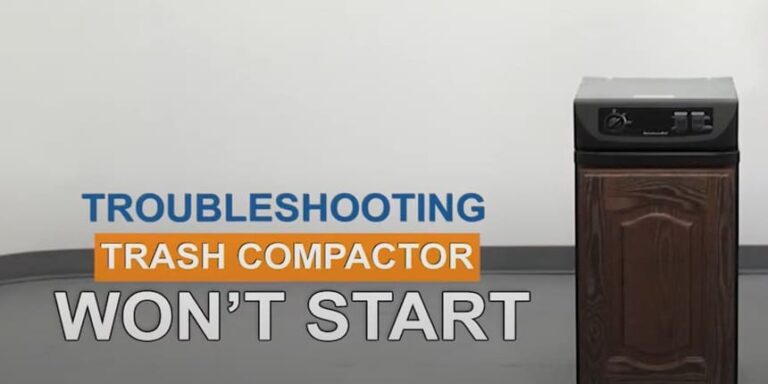
1. Trash Compactor Not Turning On
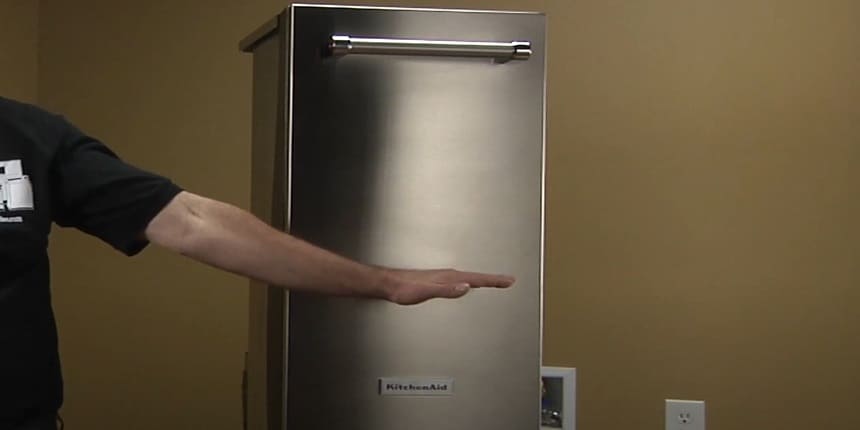
The compactor may fail to start due to power issues.
Check if it is plugged in properly.
Look at the circuit breaker for any tripped switches.
Sometimes, the door switch might not be fully closed. This safety feature stops the unit from running. Ensure the door is shut tightly.
A blown fuse could also cause this problem. Replace it if needed.
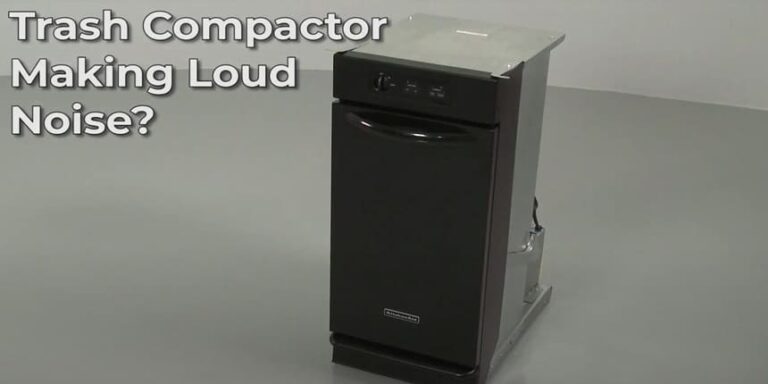
2. Trash Compactor Noises
Strange sounds often mean something is stuck inside. Objects like glass or metal can block the mechanism.
Turn off the unit before checking.
Remove any foreign items carefully.
Worn or loose parts also cause noise.
Tighten screws and bolts. Lubricate moving parts to reduce friction. If noise continues, call a professional.
3. Trash Compactor Tray Not Compressing
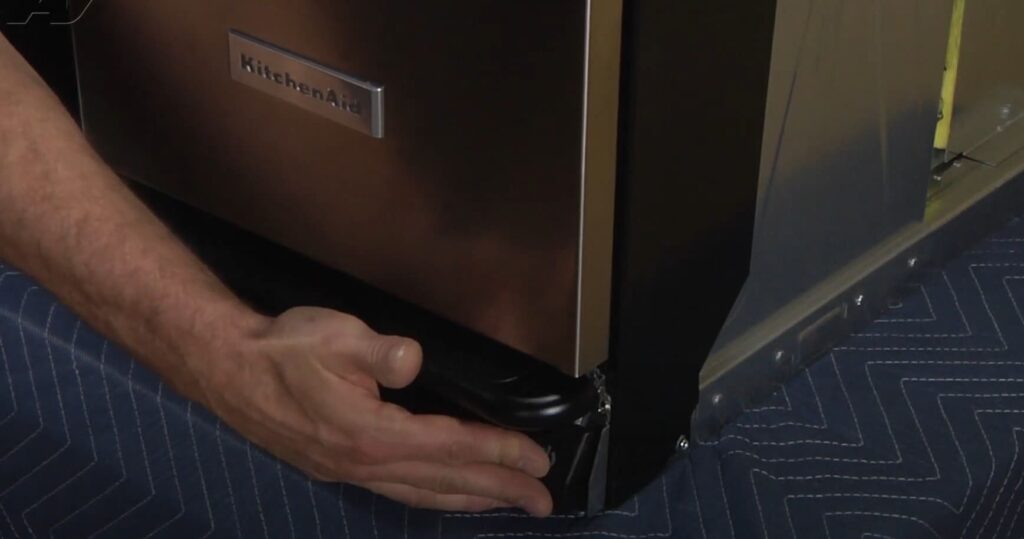
The tray may not push down waste properly.
Check for overload; too much trash stops it from working.
Remove excess garbage.
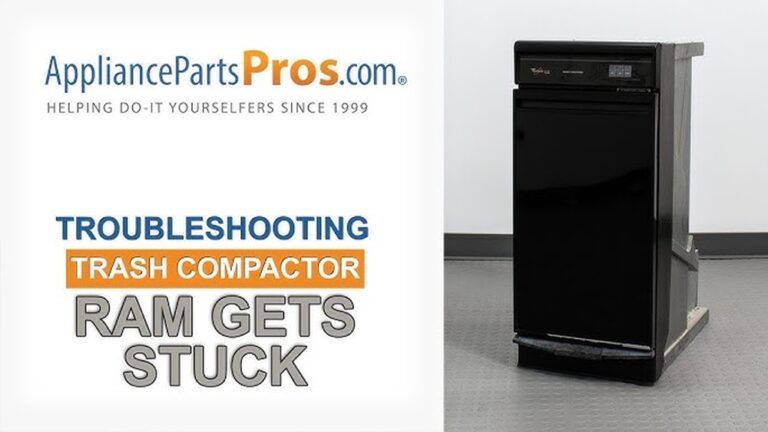
The compactor ram could be jammed. Clear any blockages in the tray path.
Motor or switch failures also stop compression. Test these parts or seek expert help.
4. Trash Compactor Power Interruptions
Power cuts can disrupt compactor use. Frequent outages might damage electrical components.
Use a surge protector to guard the unit. Inspect wiring connections for loose or broken wires. Contact an electrician if you find issues. Keep the area around the compactor dry to avoid shorts.
Basic Checks Of the Kitchen Trash Compactor
Basic checks can help solve many kitchen trash compactor problems. Start with simple steps before calling a repair person. These checks save time and money. They also keep your kitchen safe and running smoothly.
Power Supply And Connections
Make sure the compactor is plugged in securely.
Check the outlet by plugging in another device. Inspect the power cord for cuts or damage. A loose connection can stop the compactor from working.
Safety Switches
Trash compactors have safety switches to prevent accidents.
Check if the door is fully closed. The compactor won’t start if the switch is off. Clean around the switches to remove dirt and debris.
Overload Protection
Compactors have overload protection to avoid damage. If overloaded, the compactor may stop working.
Remove some trash and reset the unit. Wait a few minutes before trying to start it again.
Proper Loading
Load trash evenly inside the compactor.
Avoid overfilling or placing hard items inside. Large or heavy objects can jam the system.
Use smaller pieces to ensure smooth compaction.
Quick Fixes For Kitchen Trash Compactor Troubleshooting
Kitchen trash compactors can stop working for simple reasons. Many problems have quick fixes that anyone can try.
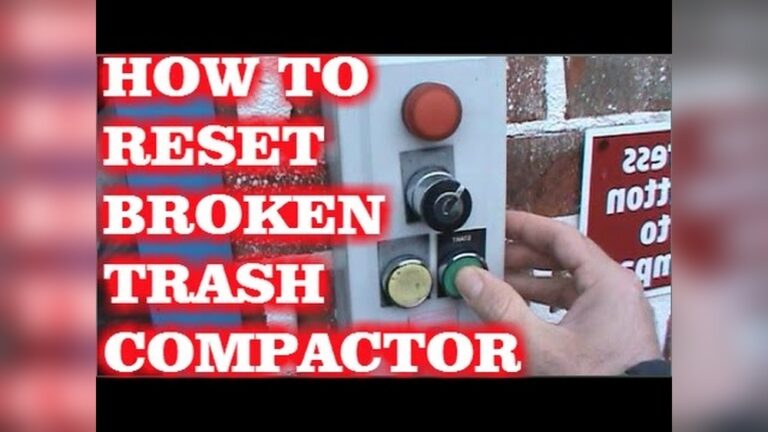
Step #1: Resetting The Compactor
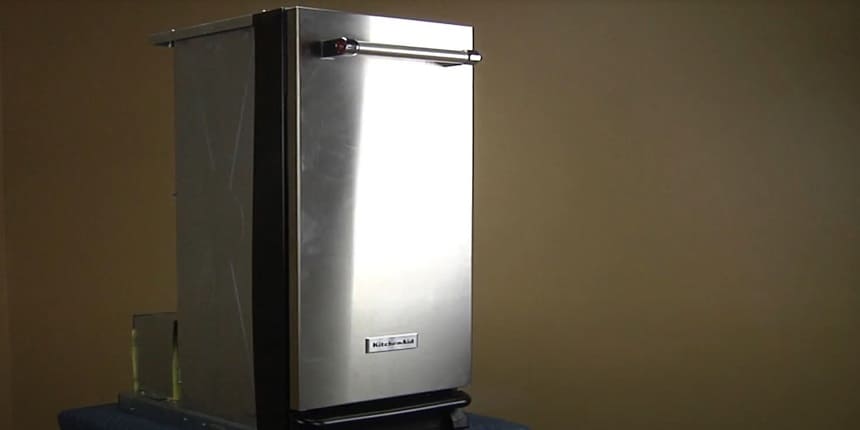
Start by unplugging the compactor from the power source. Wait for about five minutes.
This pause lets the machine reset its internal system.
Plug it back in and press the reset button. The compactor should start working normally.
Step #2: Clearing Jams
Turn off the compactor and unplug it. Check inside for stuck trash or objects.
Use gloves and a tool to remove any blockages. Avoid pushing items further inside. Clear the jam carefully to prevent damage.
Step #3: Lubricating Moving Parts
Moving parts can get stiff or noisy over time.
Apply a small amount of lubricant to the compactor’s tracks and hinges.
Use a lubricant safe for kitchen appliances. This helps parts move smoothly and reduces wear.
Step #4: Replacing Blown Fuses
Locate the fuse box of your compactor. Check if the fuse looks damaged or burnt.
Replace the blown fuse with one of the same type and rating. This step can restore power and fix electrical problems quickly.
Trash Compactor Maintenance Tips
Maintaining your kitchen trash compactor helps it work well and last longer. Simple care can stop many common problems. A few easy steps keep the machine clean and safe to use. Follow these tips to avoid breakdowns and costly repairs.
Regular Cleaning
Clean the compactor every week. Wipe down the outside and inside surfaces.
Remove any trash or spills quickly. Use a mild soap and warm water to clean. Avoid harsh chemicals that can damage parts. Dry the area well after cleaning to stop rust.
Inspecting For Wear
Check the compactor parts often. Look for cracks, breaks, or loose pieces.
Pay attention to the ram and seals. Replace worn or damaged parts right away. This keeps the compactor running smoothly and safely.
Avoiding Overpacking
Do not pack too much trash at once. Overloading can strain the motor and parts.
Add trash in small amounts for best results. This prevents jams and extends the machine’s life.
Using Compatible Bags
Use bags made for your trash compactor model. Wrong bags may tear or jam the machine.
Proper bags fit well and hold trash securely. They help the compactor work better and cleaner.
When To Call A Professional
Knowing when to call a professional for kitchen trash compactor issues saves time and avoids more damage. Some problems need expert help. Trying to fix complex issues alone may cause more harm or void your warranty.
Recognizing signs that require professional service helps keep your compactor safe and working well.
Persistent Electrical Issues
Electrical problems can be dangerous. If your compactor does not turn on or stops suddenly, the problem might be inside the wiring or motor. Flickering lights or burning smells are warning signs.
Professionals have the tools to safely check and fix electrical faults. Avoid using the compactor until an expert inspects it.
Mechanical Failures
Strange noises, jamming, or parts not moving correctly signal mechanical failure. Broken gears, belts, or motors need special tools and skills to repair. Trying to fix these issues without training risks injury or more damage.
A technician can find the exact cause and replace or repair parts properly.
Warranty And Service Options
Check your compactor’s warranty before repairs. Many warranties cover specific problems or parts. Using unauthorized repair services may void the warranty. Contact the manufacturer or authorized service centers for support.
They offer professional repairs and may provide free or low-cost service under warranty terms.
Conclusion
Troubleshooting your kitchen trash compactor can save time and money. Small fixes often solve common problems quickly. Regular checks keep your compactor running smoothly. Clean parts and clear jams prevent many issues. Trust your senses, listen and look for signs of trouble.
Stay patient and follow simple steps for repairs. A working compactor helps keep your kitchen clean and neat. Keep this guide handy for future reference. Easy maintenance leads to long-lasting use. Don’t let small problems turn into big ones.