
Are you tired of dealing with overflowing trash bins and messy waste areas? Choosing the right tool to manage your garbage can make a huge difference in keeping your space clean and organized.
But how do you decide between a trash compactor and a trash press?
Both promise to save space and reduce waste, but they work in different ways and suit different needs. You’ll discover the key differences, benefits, and which option fits your lifestyle best.
Trash Compactor Basics
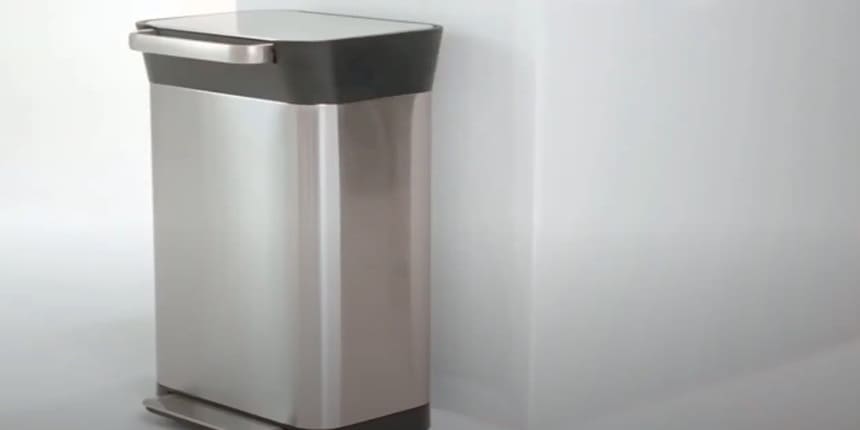
Understanding the basics of trash compactors helps to choose the right waste management tool. These machines reduce the volume of waste by pressing it down. They save space and make trash easier to handle.
How Do Trash Compactors Work
Trash compactors use a strong plate or ram to press waste.
This action compresses trash into a smaller, denser form. It reduces the space trash takes up in bins or bags.
Most compactors use electric power to drive the compression process. Some models have manual operation with a lever or handle.
Common Uses For Compactors
Trash compactors are used in homes to reduce kitchen waste.
They help businesses manage large volumes of trash efficiently.
Restaurants and hotels use them to control food waste.
Industrial sites use compactors to handle packaging and materials. They improve cleanliness and reduce trash collection frequency.
Types Of Trash Compactors
There are several types of trash compactors available.
- Stationary compactors stay in one place and handle large loads.
- Portable compactors are smaller and easier to move around.
- Vertical compactors push trash down from the top.
- Horizontal compactors push trash sideways for better space use.
Trash Press Essentials
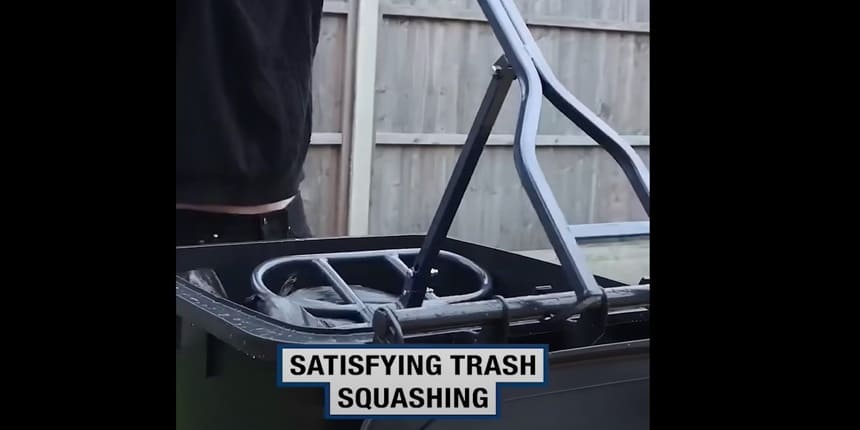
Trash presses help manage waste by compressing materials into smaller bundles. This makes handling and disposal easier and cleaner.
Trash presses come in different types and sizes. Each type serves specific functions and suits certain environments.
Functionality Of Trash Presses
Trash presses use mechanical force to crush waste materials. This reduces the volume significantly.
They work by pressing trash between two plates or inside a chamber.
This process creates compact bales or blocks. These blocks are easier to transport and store. Trash presses also help reduce odors and pests.
Typical Applications of Waste Presses
Trash presses are common in commercial and industrial settings. They handle large amounts of waste efficiently.
- Retail stores use them to compress packaging waste.
- Factories use trash presses to manage production scraps.
- Recycling centers press materials for easier sorting and shipping.
- Trash presses also work well in apartment complexes and schools.
Types Of Trash Presses
Several types of trash presses exist to meet different needs.
- Horizontal trash presses compress waste in a flat, horizontal chamber.
- Vertical trash presses press waste from top to bottom.
- Some presses are manual, while others are fully automatic.
Specialized presses handle materials like cardboard, plastic, or metal. Choosing the right variety depends on waste type and volume.
Key Differences Between Trash Compactor and Trash Press
Trash compactors and trash presses both help manage waste, but work in different ways. Knowing their key differences makes it easier to choose the right one. This section explains how each device compresses waste, reduces volume, and what maintenance they need.
Compression Mechanism
Trash compactors use a strong plate to push waste down. They crush garbage into smaller pieces.
Trash presses squeeze waste from different sides. This method creates tight, dense blocks of trash.
Each machine uses pressure but in distinct ways.
Waste Volume Reduction
Trash compactors reduce waste volume by about 50%. They make trash easier to handle and store.
Trash presses can reduce volume more, sometimes up to 80%. Their dense blocks save space and cut disposal costs.
Maintenance Needs
Trash compactors need regular checks on the crushing plate and motor. They require cleaning to avoid smells and jams.
Trash presses demand more maintenance due to their complex parts. Regular oiling and inspection keep them working well.
Benefits Of Trash Compactors
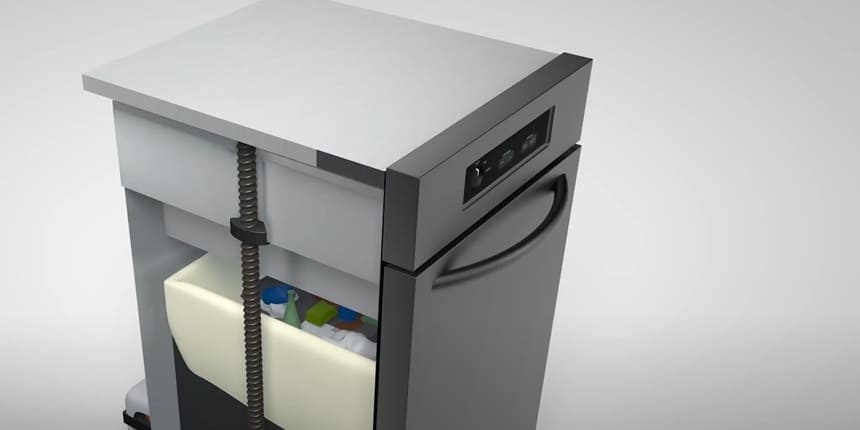
Trash compactors offer many benefits for homes and businesses. They reduce the volume of waste by compressing it.
This makes waste easier to manage and store. Using a trash compactor helps keep spaces cleaner and more organized. It also supports better waste disposal habits.
Space Saving Advantages
Trash compactors reduce trash size by up to 80%. This means fewer bags or bins are needed.
Smaller trash volume frees up space in kitchens or work areas. It also lowers the frequency of trash pickups. Compacting trash helps maintain a tidy environment.
Cost Efficiency
Using a trash compactor cuts down on trash bag costs. It lowers expenses on waste collection services.
Fewer pickups mean less money spent on hauling fees. Businesses can save on waste management budgets. Homeowners spend less on garbage bags and disposal.
Environmental Impact
Trash compactors reduce the number of trash bags used. This leads to less plastic waste ending up in landfills.
Compacting trash also decreases the volume of waste transported. Fewer truck trips mean lower fuel consumption and pollution. Using a trash compactor supports eco-friendly waste management.
Advantages Of Trash Presses
Trash presses offer several advantages for managing waste efficiently. They help reduce the volume of trash, making storage and transport easier.
Many businesses prefer trash presses because of their reliable performance and ease of use.
Durability And Strength
Trash presses are built with strong materials. They can handle heavy loads without breaking.
Their sturdy design means they last longer than many other waste machines. This durability reduces maintenance costs and downtime.
Handling Different Materials
Trash presses work well with various waste types. They can press cardboard, plastic, paper, and more.
This flexibility makes them suitable for many industries. They help keep different materials compact and neat.
Operational Efficiency
Using a trash press speeds up waste management. They compress large amounts of trash quickly.
This reduces the number of trips needed for disposal. They save time and lower transportation costs.
Choosing The Right Solution From Trash Compactor Vs Trash Press
Choosing the right waste management solution is important. It helps keep your space clean and saves time. Both trash compactors and trash presses have their uses. Picking the best one depends on several factors. Consider these points to decide which fits your needs.
#1: Assessing Waste Type
Know what kind of waste you produce most. Trash compactors work well with soft, compressible items like paper and plastic.
Trash presses handle denser materials such as cardboard and cans better. Your waste type indicates to pick the right machine.
#2: Volume Considerations
Think about how much waste you generate daily. Trash compactors are good for moderate amounts.
Trash presses handle larger volumes efficiently. Higher waste volume often means a press saves more space and time.
#3: Budget And Space Constraints
Check your budget before choosing. Trash compactors usually cost less upfront. Trash presses may need more investment but reduce waste space more.
Also, consider the available area. Compactors fit smaller spaces. Presses need more room for installation.
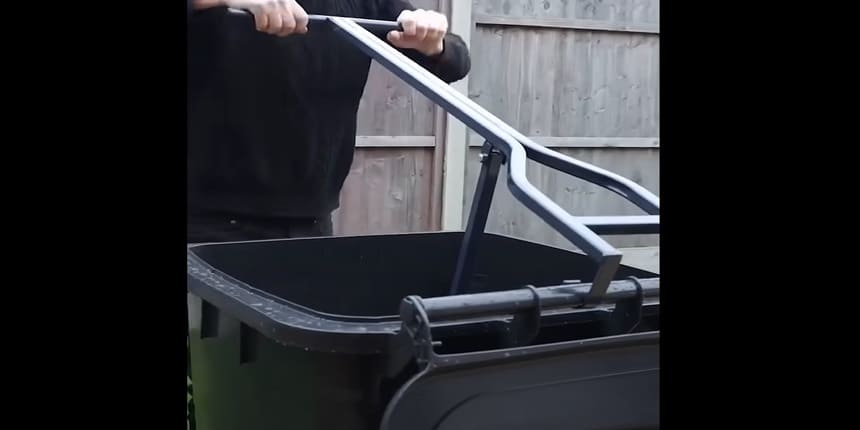
Trash Compactor and Trash Press Installation Setup Tips
Installing a trash compactor or a trash press requires careful planning. Proper setup ensures smooth operation and long device life. Follow these tips to prepare your site, maintain safety, and connect with your waste system efficiently.
Tips #1: Site Preparation
Choose a flat, stable surface for the unit. The area should have enough space for loading and unloading trash.
Check door widths and pathways for easy access. Make sure power outlets are nearby for electric models. Clear the spot of debris and obstacles before installation.
Tips #2: Safety Guidelines
Wear protective gloves and safety glasses during setup. Turn off all power sources before starting installation. Keep children and pets away from the work area. Follow the manufacturer’s instructions carefully.
Test the emergency stop function after installation.
Tips #3: Integration With Waste Management
Connect the unit to your existing waste bins or containers. Ensure compatibility to avoid overflow or delays.
Schedule regular pickups aligned with the compactor’s capacity. Train staff on proper usage and maintenance routines. Monitor waste levels to optimize efficiency.
Maintenance And Troubleshooting
Maintaining your trash compactor or trash press is key for smooth operation. Regular care helps avoid breakdowns and costly repairs. Knowing how to spot common problems saves time and hassle. This section covers routine care, common issues, and when to seek professional help.
Routine Care
Clean the machine after each use to prevent odor and buildup. Wipe down surfaces with a damp cloth. Check the power cord for damage regularly. Empty the bin often to avoid overloading.
Lubricate moving parts every few months to keep them moving smoothly. Follow the manufacturer’s instructions for specific care steps.
Common Issues
Sometimes the compactor or press won’t start. This can be due to a power issue or safety switch problem. Strange noises may mean a loose part or motor trouble.
The machine might stop mid-cycle if overloaded. If the compactor doesn’t compress well, check for jams or full bins. Regular checks catch these problems early.
Future Trends In Waste Compression
Waste compression technology is evolving fast. The future holds new tools to manage trash better. Both trash compactors and trash presses will see big changes. These changes aim to save space and reduce waste impact on the environment.
Innovations will make machines smarter and more efficient. The focus will be on saving energy and cutting costs. Waste management will become easier and cleaner for homes and businesses.
Technological Innovations
New machines will use sensors to detect trash levels. They will adjust pressure automatically for best results.
Some will have automatic sorting features to separate recyclables. This will reduce manual work and improve recycling rates. Compacting speed will increase while using less power.
Sustainability Focus
Future devices will use eco-friendly materials and designs. They will lower carbon footprints during production and use. Energy-saving motors and parts will become standard.
Machines will support zero-waste goals by handling more types of trash. Compostable waste and plastics will be processed more efficiently.
Smart Waste Solutions
Smart compactors will connect to apps for real-time monitoring. Users will get alerts when bins are full or need maintenance. Data collected will help optimize trash collection routes.
This reduces fuel use and traffic from garbage trucks. Integration with city systems will improve overall waste management.
What Is The Main Difference Between Trash Compactor And Trash Press?
A trash compactor compresses waste into dense blocks, reducing volume.
A trash press applies pressure to flatten waste but may not compact tightly.
Compactors are better for saving space, while presses are simpler and cheaper.
Which Device Is More Efficient For Household Waste?
Trash compactors are generally more efficient for household waste.
They reduce trash volume significantly and minimize odor. Trash presses help flatten waste but don’t reduce volume as effectively.
Are Trash Compactors Or Trash Presses Easier To Maintain?
Trash presses usually require less maintenance due to simpler mechanisms.
Trash compactors have motors and electrical parts needing regular care. However, proper upkeep of both ensures long-term functionality.
Can Trash Presses Handle All Types Of Waste?
Trash presses work best with soft, compressible waste like cardboard and plastic.
They may struggle with hard or bulky items. Trash compactors handle various waste types more effectively.
The End
Choosing between a trash compactor and a trash press depends on your needs. A compactor reduces waste size quickly, saving space. A press works well for specific materials and tighter compression. Think about your trash type and how often you need to manage it.
Both tools help keep areas clean and organized. Small kitchens or busy offices can benefit from either device. Consider cost, size, and ease of use before deciding. This way, you pick the best option for your home or workplace. Simple and effective waste management starts here.
One Comment