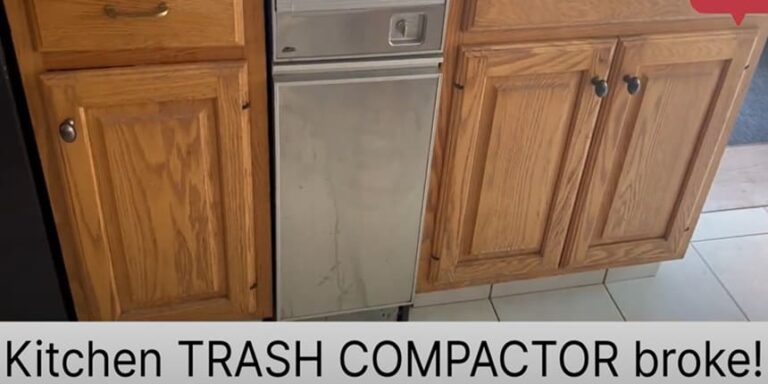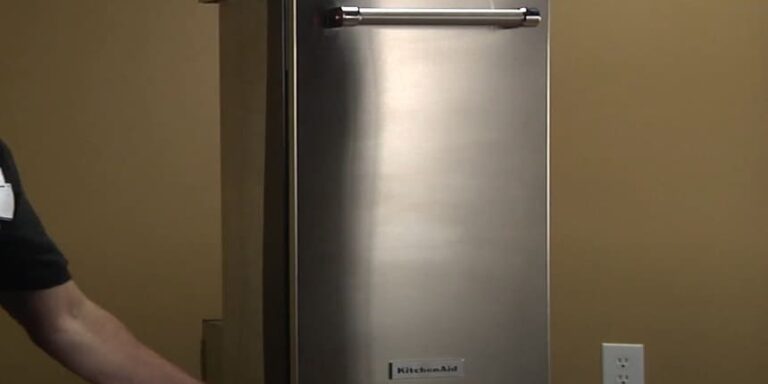
Is your trash compactor not working when you need it most? It’s frustrating when this handy appliance suddenly stops doing its job.
You rely on it to keep your kitchen clean and save space, but now you’re stuck with overflowing trash. Don’t worry—you’re not alone, and there are simple fixes you can try before calling a professional. Keep reading to discover why your trash compactor might be acting up and how you can get it back to working smoothly today.
Common Causes
Trash compactors stop working for several common reasons. Identifying these causes helps fix the problem fast. Understanding these issues saves time and money.
Power Supply Issues
Power supply problems often cause a compactor to stop working. Check if the unit is plugged in properly. A tripped circuit breaker can cut power. Faulty wiring inside the compactor may also block electricity flow.
Jammed Mechanism
Trash or objects stuck inside can jam the compactor. This stops the crushing motion. Large items or hard materials cause jams. Clearing the jam safely restores normal function.
Faulty Motor
The motor drives the compactor’s crushing action. A burnt-out or broken motor will stop the machine. Motors wear out over time. Replacing the motor often fixes this problem.
Overloaded Compactor
Putting too much trash in the compactor causes overload. This can trigger a safety shutoff. Overloading strains the motor and parts. Emptying some trash and restarting usually helps.
Basic Troubleshooting Steps
When a trash compactor stops working, basic troubleshooting can often fix the problem. Start with simple checks before calling a technician. These steps help you identify common issues fast. Follow each step carefully to avoid damage or injury. Safety is important during all repairs.
Check Power Connection
Make sure the compactor is plugged in securely. Check the outlet for power by testing another device. Look for a tripped circuit breaker or blown fuse in your home’s electrical panel. If power is off, reset the breaker or replace the fuse. A loose or damaged power cord can also cause problems. Inspect the cord carefully for cuts or frays.
Reset The Compactor
Many trash compactors have a reset button. Find this button near the motor or control panel. Press and hold it for a few seconds to reset the unit. This step clears minor electrical issues. If your model has a reset switch, follow the manufacturer’s instructions. Sometimes, unplugging the compactor for a few minutes also helps reset the system.
Clear Obstructions
Look inside the compactor for jammed trash or objects. Remove any items blocking the compaction plate or chute. Use gloves to avoid sharp edges or broken glass. Small objects like cans or bottles can cause jams. Clear all debris to ensure smooth operation. Avoid overfilling the compactor, which may cause frequent jams.
Inspect Safety Switches
Trash compactors have safety switches to prevent accidents. These switches stop the compactor if the door is open or not closed properly. Check the door latch and switches for damage or misalignment. Clean any dirt or debris that may block the switches. Test the switches by opening and closing the door while trying to operate the compactor. Replace faulty switches to ensure safety and function.
Quick Fixes You Can Try
When your trash compactor stops working, quick fixes can save time and money. Most issues are simple and easy to fix at home. You do not need special tools or skills. Just follow these steps carefully to get your compactor running again.
Unjam The Compactor
Turn off and unplug the compactor first. Open the door and check for stuck trash. Remove any large or hard items blocking the ram. Use gloves to protect your hands. Push the ram back gently if it is stuck. Clear any debris that may cause jamming.
Replace Blown Fuse
Locate the fuse box near the compactor. Check if the fuse is blown by looking for a broken wire or dark spot. Replace the old fuse with a new one of the same type. Make sure the power is off before doing this. A new fuse can restore power quickly.
Lubricate Moving Parts
Dry or rusty parts can stop the compactor from working smoothly. Apply a small amount of lubricant to the ram tracks and hinges. Use a light machine oil or spray lubricant. Wipe off excess oil to avoid dirt buildup. Regular lubrication keeps the compactor moving easily.
Realign The Ram
The ram can become misaligned after heavy use. Check if it moves evenly along the tracks. Loosen the screws holding the ram slightly. Adjust the ram to fit properly in its path. Tighten the screws again and test the compactor. Proper alignment prevents jams and improves performance.

Credit: theappliancepeople.com
When To Call A Professional
Knowing when to call a professional is key for a broken trash compactor. Some problems need expert tools and skills. Trying to fix these issues alone can cause more damage or risk safety. Recognizing signs that require professional help saves time and money.
Persistent Electrical Problems
Electrical issues that keep coming back need a professional. Flickering lights, burning smells, or no power are serious signs. A specialist can safely check wiring and components. They prevent fires and further damage to your compactor.
Motor Replacement Needs
A motor that won’t run or sounds strange may need replacement. This task is complex and requires special tools. Professionals know how to remove and install motors correctly. They ensure the compactor works smoothly again.
Complex Mechanical Failures
Parts stuck or broken inside the compactor can be tricky to fix. Professionals can diagnose hidden problems and fix them carefully. They have the right tools to handle gears, belts, and other parts. Attempting this alone can cause more damage or injury.
Preventive Tips
Keeping a trash compactor working well requires simple care. Following some preventive tips helps avoid common problems. These tips save time and money by reducing repairs. Small efforts make a big difference.
Regular Cleaning
Clean the compactor often. Remove food scraps and dirt after each use. Wipe down the inside with mild soap and water. This stops bad smells and blockages. Clean parts work better and last longer.
Avoid Overloading
Do not put too much trash inside. Overloading strains the motor and parts. Follow the compactor’s weight limits. Smaller loads compact easier and safely. This prevents jams and motor damage.
Routine Maintenance
Check the compactor regularly for wear and tear. Tighten loose screws and look for broken parts. Replace worn-out components quickly. Routine checks keep the machine running smoothly. Set a schedule to inspect it monthly.
Proper Usage Habits
Use the compactor as instructed in the manual. Do not push objects that are too hard or sharp. Avoid liquids that can damage the motor. Press the buttons gently and do not force the lid. Proper use prevents many common failures.
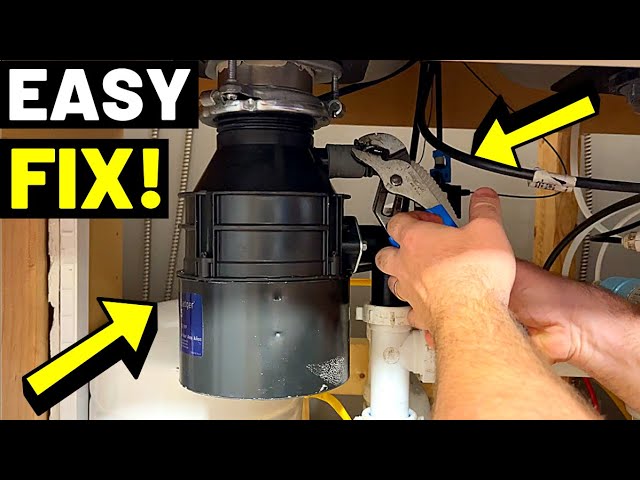
Credit: www.youtube.com
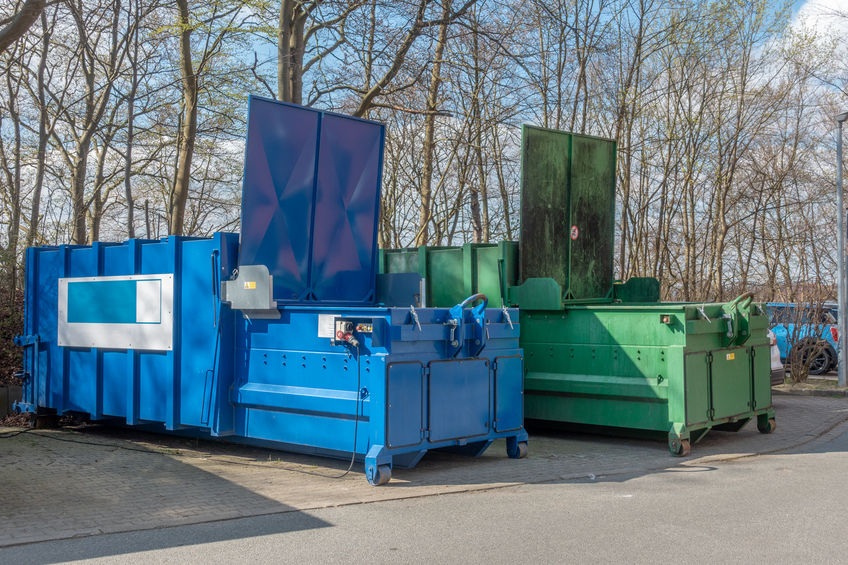
Credit: www.actioncompaction.com
Frequently Asked Questions
Why Is My Trash Compactor Not Turning On?
Your trash compactor may not turn on due to power issues, a tripped circuit breaker, or a blown fuse. Check the power source, reset the breaker, and inspect the fuse to resolve the problem quickly.
How Do I Reset A Trash Compactor?
To reset a trash compactor, unplug it from the power source for a few minutes. Then, plug it back in and press the reset button, usually located near the power switch or inside the door.
What Causes A Trash Compactor Motor To Stop Working?
A trash compactor motor may stop due to overheating, a jammed ram, or electrical faults. Regular cleaning and avoiding overloading can help prevent motor failure and keep the compactor running smoothly.
How Can I Fix A Jammed Trash Compactor?
To fix a jammed trash compactor, first unplug the unit. Remove any obstructing debris carefully, then manually move the ram to clear the jam. Avoid forcing parts to prevent damage.
Conclusion
A trash compactor not working can cause real trouble at home. Fixing small issues early saves time and money. Check power, switches, and jams before calling a technician. Regular cleaning helps keep your compactor running smooth. Don’t ignore strange noises or smells from the machine.
Simple care extends its life and keeps your kitchen clean. Stay patient and try step-by-step fixes first. A working compactor means less trash and more space. Keep your home tidy with a well-maintained trash compactor.