Is your trash compactor making a loud banging noise that won’t stop? That annoying sound can be more than just a nuisance—it might be a sign that something is wrong with your appliance.
You rely on your trash compactor to keep your kitchen clean and tidy, so when it starts making strange noises, it’s natural to worry. But don’t panic just yet. You’ll discover why your compactor is banging and what simple steps you can take to fix it.
Keep reading to get your compactor back to working smoothly and quietly.
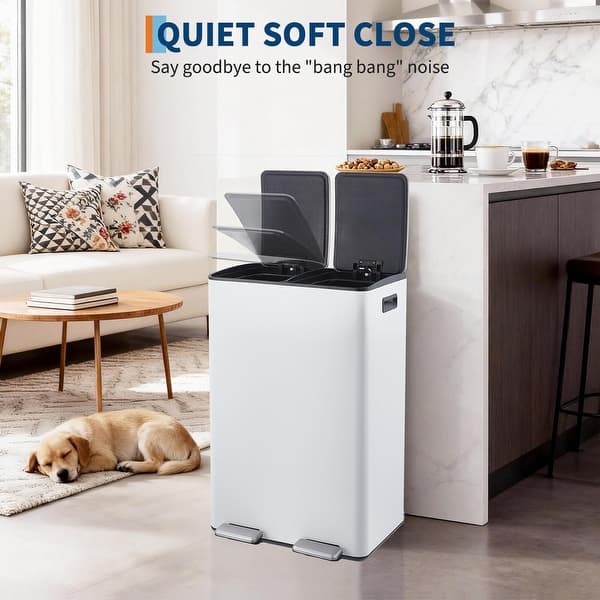
Credit: www.bedbathandbeyond.com
Common Causes Of Banging Noise
Banging noises from a trash compactor can be annoying and worrying. These sounds usually mean something is wrong inside the machine. Understanding common causes helps to fix the noise quickly and avoid bigger problems.
Several parts inside a trash compactor can cause banging sounds. It is often about parts not fitting well or being stuck. Some problems come from wear and tear over time. Others relate to the motor or moving components.
Loose Components
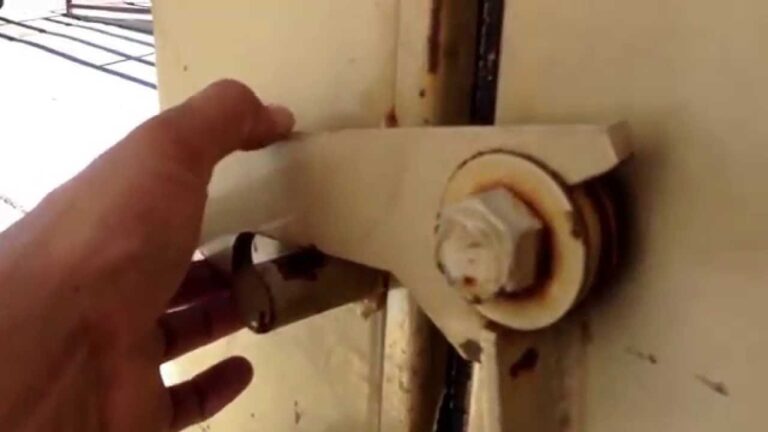
Loose components inside the compactor often cause banging sounds. Screws, bolts, or panels may become loose. When the machine runs, these parts hit against other surfaces. Tightening loose parts can stop the noise fast.
Jammed Trash
Trash that gets stuck inside the compactor can cause loud bangs. Large or hard items may block the crushing mechanism. The motor tries to push but hits the jammed trash. Clearing the jam stops the banging instantly.
Motor Issues
The motor powers the compactor and can create noise if faulty. Worn bearings or loose motor mounts cause vibration and banging. Motor problems also affect the compactor’s movement. Checking and fixing motor parts helps reduce noise.
Worn Out Parts
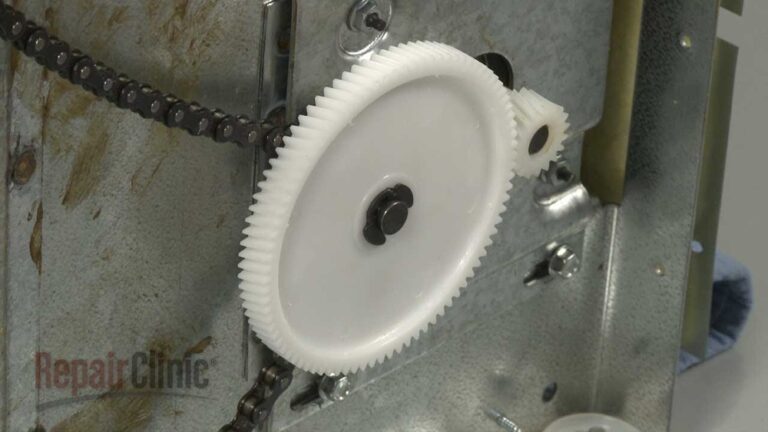
Parts inside the compactor wear out after long use. Worn gears, belts, or rollers can cause banging. These parts no longer fit or move smoothly. Replacing worn parts restores quiet operation and prevents damage.

Credit: www.reddit.com
Diagnosing The Noise Source
Identifying the source of a trash compactor’s banging noise is key to fixing it. The noise can mean different problems. Careful checking helps find the exact cause. This saves time and avoids extra costs. Start with simple steps and move deeper if needed.
Inspecting The Interior
Open the compactor and look inside. Remove any loose items or debris. Check for broken or bent parts. Watch for objects stuck between the plates. These can cause banging sounds during operation.
Checking The Motor And Belt
Turn off the power before touching the motor. Look at the belt for cracks or wear. A loose or damaged belt can create loud noises. Make sure the motor is secure and not shaking. Motors that rattle often cause banging sounds.
Listening For Specific Sounds
Run the compactor briefly with the door open. Listen carefully to where the noise comes from. A grinding sound points to motor or belt issues. Thumping noises may come from objects inside. Pinpointing the sound helps target the problem quickly.
Simple Fixes To Try At Home
A trash compactor making a banging noise can be annoying. Fixing it at home is easier than it seems. Simple steps can stop the noise and save repair costs. Try these quick fixes to quiet your machine.
Tightening Loose Parts
Loose parts cause many banging sounds. Check screws, bolts, and panels. Use a screwdriver or wrench to tighten them. Tight parts stop shaking and banging. Regular checks keep your compactor quiet and stable.
Clearing Trash Jams
Trash jams block the compactor’s movement. Open the unit and look inside carefully. Remove any stuck items or large pieces. Clear jams gently to avoid damage. A clear path lets the compactor work smoothly and quietly.
Lubricating Moving Components
Moving parts need lubrication to work well. Apply a small amount of machine oil or spray. Focus on hinges, gears, and sliding parts. Lubrication reduces friction and noise. Repeat this regularly for smooth, quiet operation.
When To Call A Professional
Banging noises from a trash compactor can be worrying. Some problems you can fix yourself. Others need expert help. Knowing when to call a professional saves time and avoids damage. It also ensures your compactor works safely and well.
Motor Replacement Needs
The motor is the heart of the compactor. Loud banging may mean the motor is failing. Strange smells or burning sounds are red flags. A broken motor needs a professional to replace it. Trying to fix it yourself can be dangerous.
Electrical Issues
Electrical problems often cause strange noises. Sparks, flickering lights, or the compactor not starting are signs. A professional can check wiring and connections safely. Faulty wiring risks shocks or fire. Never handle electrical parts without training.
Persistent Noise Problems
Some noises come back even after cleaning and tightening parts. Constant banging might mean worn-out components. Professionals have tools to find hidden issues. They can replace or repair parts properly. Persistent noise needs expert attention to avoid bigger problems.
Preventing Future Banging Noises
Stopping banging noises in your trash compactor makes it last longer. It also keeps your kitchen quiet and safe. Small changes in how you use and care for the compactor help a lot. Follow simple steps to prevent future loud bangs.
Regular Maintenance Tips
Clean the compactor often. Remove any stuck trash or debris. Check for loose parts or screws. Tighten them if needed. Look at the motor and moving parts. Oil them lightly to avoid friction. Regular checks catch problems early. This stops noises before they start.
Proper Trash Loading Techniques
Load trash evenly inside the bin. Avoid overfilling or putting heavy items all on one side. Break large pieces into smaller parts. This helps the compactor press trash smoothly. Uneven loads cause extra pressure and noise. Use only trash that fits well to keep the machine balanced.
Using The Compactor Correctly
Press the button gently, not too fast. Let the compactor finish one cycle fully. Don’t force it to start again too soon. Avoid compacting items that are wet or sticky. Wet trash can jam the machine. Follow the instructions in the user manual. Using the compactor right reduces wear and noise.
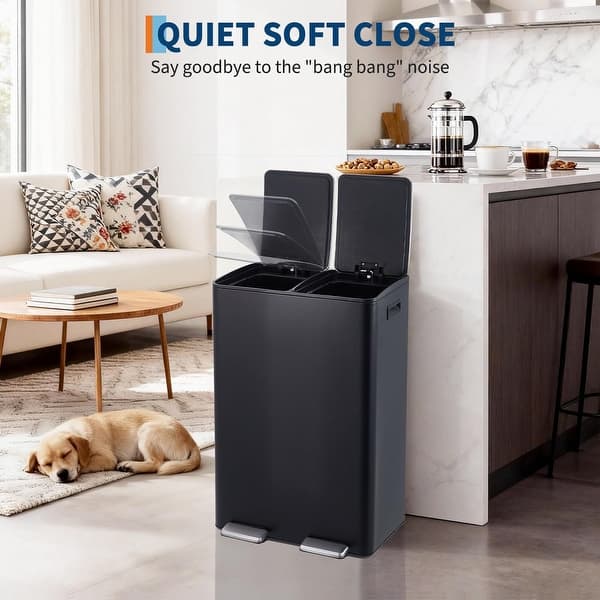
Credit: www.bedbathandbeyond.com
Frequently Asked Questions
Why Is My Trash Compactor Making A Banging Noise?
A banging noise often means loose or damaged parts inside the compactor. It could be the ram hitting the sides or a misaligned motor. Regular maintenance can prevent this noise and ensure smooth operation.
How Can I Fix Trash Compactor Banging Sounds?
Check for loose screws, bolts, or debris inside the compactor. Tighten any loose parts and remove obstructions. If the motor or ram is damaged, consider professional repair or replacement for safety.
Does Overloading Cause Trash Compactor Noise?
Yes, overloading the compactor can cause banging sounds. Too much trash puts extra pressure on the ram, causing it to hit harder and produce noise. Always follow weight limits to avoid damage and noise issues.
Can Worn-out Parts Cause Trash Compactor Noise?
Worn or broken parts like springs, rollers, or the motor can cause banging noises. Inspect components regularly and replace worn parts promptly to maintain quiet and efficient operation.
Conclusion
A banging noise in your trash compactor can signal a problem. Check for stuck objects or loose parts first. Regular cleaning helps avoid noise and keeps it working well. Don’t ignore strange sounds; they can get worse over time. Small fixes often stop the noise quickly.
Stay calm and take simple steps to fix the issue. Your compactor will run smoother and quieter with care. Keep it safe and quiet in your home.