Choosing the right trash can size might seem simple, but it can change the way you manage waste every day. Are you tired of dealing with overflowing bins or wasting space with containers that are too big?
Finding the perfect fit for your home or office can save you time, reduce mess, and even cut down on how often you take out the trash. You’ll discover the different trash can sizes available and how to pick the one that suits your needs best.
Keep reading to make your waste disposal easier and more efficient than ever before.
Credit: trashcansunlimited.com
Trash Can Sizes Explained
Trash cans come in many sizes. Choosing the right size helps keep spaces clean and organized. Understanding trash can sizes makes it easier to pick the best one for your needs. This guide explains common trash can sizes and their shapes.
Common Trash Can Capacities
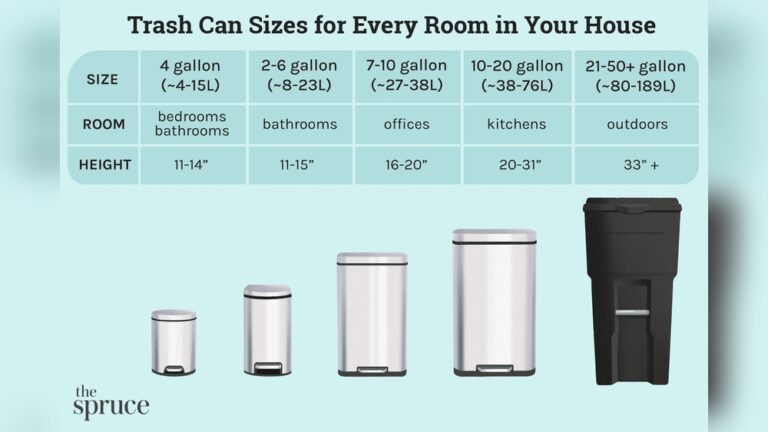
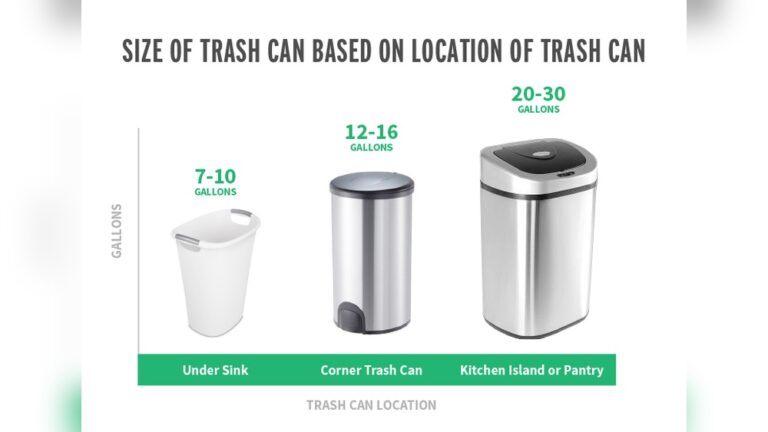
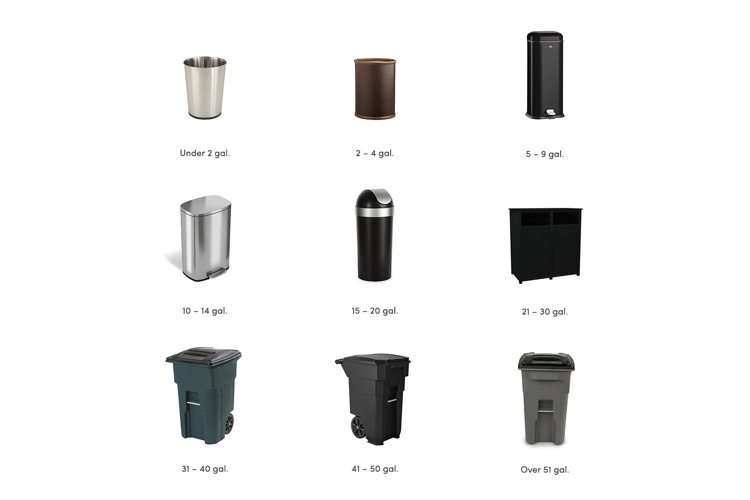
Trash cans hold different amounts of waste. Small cans usually hold 5 to 10 gallons. These fit well in bathrooms or offices. Medium sizes range from 10 to 20 gallons. They work great in kitchens and bedrooms. Large trash cans hold 30 gallons or more. These are perfect for yards or big rooms.
Dimensions And Shapes
Trash cans come in many shapes and sizes. Round cans are easy to clean and fit in corners. Square or rectangular cans save space along walls. Heights vary from short bins to tall cans. Choosing the right shape helps use space well. Always check the dimensions before buying.
Credit: www.wayfair.com
Choosing By Space
Choosing the right trash can size depends on the space available. The size affects how well it fits and how easy it is to use. Picking a trash can that suits your space keeps the area neat. It also helps manage waste without clutter. Consider the room size and where you want to place the trash can.
Small Areas And Tight Corners
Small spaces need compact trash cans. Look for slim or narrow designs. These fit well in tight corners and narrow gaps. Choose models that do not block pathways. Small trash cans usually hold less waste. They need frequent emptying but save room.
Medium-sized Rooms
Medium rooms offer more options for trash cans. A medium-sized bin balances capacity and space use. It fits under desks or beside counters. These bins work well in kitchens and offices. They reduce trips to empty the trash. Choose one that matches the room’s style.
Large Spaces And Outdoors
Large areas need big trash cans. Outdoor spaces especially need durable, large bins. These hold more waste and reduce emptying times. Look for bins with lids to keep pests away. Large trash cans suit garages, gardens, and public areas. They help maintain cleanliness in wide spaces.
Purpose-based Size Selection
Choosing the right trash can size depends on its purpose and location. Different rooms need different sizes. Selecting the right size keeps spaces clean and organized. It also helps reduce frequent emptying or overflow issues.
Kitchen Use
Kitchens generate more waste than other rooms. Large trash cans work best here. They hold food scraps, packaging, and other kitchen waste. A 13 to 20-gallon bin fits most kitchens well. It reduces trips to empty the trash.
Office Settings
Offices create paper and small waste. Medium-sized bins, around 7 to 10 gallons, suit desks and common areas. These sizes handle daily trash without taking too much space. Easy to move and empty, they keep the workspace tidy.
Bathrooms And Bedrooms
Bathrooms and bedrooms produce less trash. Small bins, about 1 to 5 gallons, are enough. They fit under sinks or beside beds. These sizes manage tissues, wrappers, and small items quietly and efficiently.
Outdoor And Garage
Outdoor and garage areas need large, durable bins. Sizes from 30 to 50 gallons work well. They hold yard waste, tools, and bulky trash. Sturdy bins resist weather and heavy use outdoors.
Material Impact On Size
The material of a trash can affects its size and shape. Different materials require different thicknesses for strength. This changes how big or small a trash can can be. Some materials are light and flexible. Others are heavy and rigid. These qualities impact the design and space the trash can takes.
Materials also affect durability and weight. These factors influence where the trash can fits best. Choosing the right material helps match the trash can to your needs. It also ensures it lasts longer and works well.
Plastic Trash Cans
Plastic trash cans are common and very light. They come in many sizes and shapes. Plastic allows for thin walls without breaking. This means plastic cans can be bigger but still easy to move. They resist water and most chemicals. Plastic cans suit indoor and outdoor use.
Metal Trash Cans
Metal trash cans are strong and long-lasting. They often have thicker walls for safety. Metal cans tend to be smaller because the material is heavier. They handle rough use better than plastic. Metal cans are good for heavy trash. They resist heat and impact well.
Recycled Materials
Trash cans made from recycled materials vary in size. These cans balance strength and eco-friendliness. Recycled plastics can be light and flexible like new plastic. Recycled metals keep durability but may add weight. These cans help reduce waste and support sustainability. Sizes depend on the recycled material used.
Features Affecting Size Choice
Choosing the right trash can size depends on several features. These features affect how much space the bin needs and how easy it is to use. Understanding these factors helps pick a trash can that fits your needs perfectly. Consider lid types, foot pedals, and bag compatibility for the best choice.
Lid Types And Openings
Lid types affect the trash can’s size and usability. Swing lids need more room to open fully. Flat lids are compact and save space. Some lids open automatically, requiring extra clearance. The size of the opening also matters. Larger openings fit bigger trash but take more space. Smaller openings keep trash hidden and reduce odors.
Foot Pedals And Motion Sensors
Foot pedals let you open the trash can hands-free. They need space below the bin for the pedal mechanism. This can add to the trash can’s height. Motion sensors open lids automatically. They need batteries and sensors, which add bulk. These features make the trash can larger but improve convenience. Think about the space you have before choosing these options.
Bag Compatibility
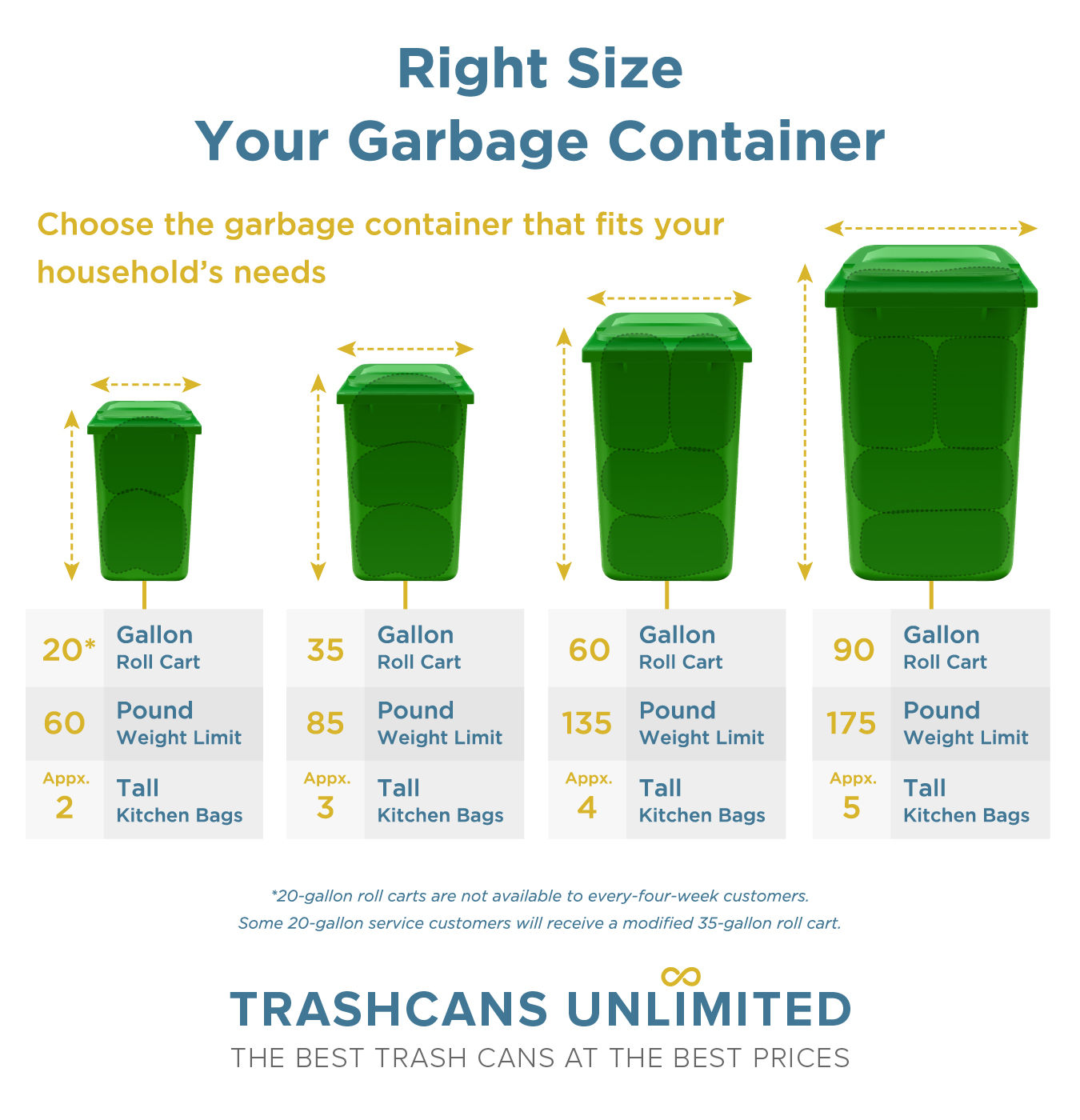
Trash bags must fit the can properly. Large cans need bigger bags, which can be harder to find. Small cans use small bags that are easier to handle. Some trash cans have a bag holder or clips to keep bags in place. This feature can add to the can’s size. Check bag sizes and availability before buying your trash can.
Credit: trashcansunlimited.com
Tips For Measuring Your Space
Choosing the right trash can starts with measuring your space correctly. Accurate measurements help you pick a size that fits well. It avoids buying a bin that is too big or too small. Take your time to measure carefully. This makes sure your trash can fits comfortably in the spot.
Measuring Width And Height
First, measure the width of the available space. Use a tape measure for exact numbers. Check the height from the floor to any shelf or countertop above. Write down these numbers. These help you find a trash can that fits perfectly.
Allowing For Clearance
Leave extra space around the trash can. This space is called clearance. It allows you to open the lid or door easily. Also, it helps with air flow to reduce odors. Add at least a few inches on each side. This prevents the bin from feeling cramped.
Considering User Accessibility
Think about who will use the trash can daily. Make sure it is easy to reach and use. Avoid placing it in tight corners or behind doors. Choose a size that matches user strength and comfort. This keeps trash disposal quick and simple.
Balancing Size And Frequency Of Disposal
Choosing the right trash can size is important for managing waste efficiently. Balancing the size of the bin and how often it is emptied helps keep spaces clean and odor-free. Too small a bin means frequent trips to empty it. Too large, and it might take too long to fill, causing waste to sit longer than it should.
High-traffic Areas
High-traffic areas need larger trash cans or more frequent disposal. Places like kitchens, offices, or public spaces generate more waste. A bigger bin reduces the chance of overflow and keeps the area tidy. Regular checks ensure the bin does not get too full and cause mess.
Low-use Spaces
Low-use spaces do not need large bins. Small bins work well in guest bathrooms or storage rooms. These bins fill slowly, so emptying them less often is fine. This saves space and reduces waste management effort.
Waste Volume Estimation
Estimate waste volume to pick the right bin size. Count how many people use the area and how much waste they produce daily. This helps avoid frequent emptying or overflow. Adjust the bin size as waste habits change over time.
Eco-friendly Size Considerations
Choosing the right trash can size helps the environment in many ways. Eco-friendly size choices reduce waste and make recycling easier. Small changes in trash management lead to big benefits for nature.
Reducing Waste With Proper Size
Using the correct trash can size prevents overflow and litter. Smaller cans avoid excess garbage buildup in homes. This reduces trips to the landfill and lowers pollution. It also encourages people to throw away only what is needed.
Encouraging Recycling Habits
Separate bins for recycling help sort waste better. Sized bins for recyclables make it easier to keep materials clean. Clear size options remind users to recycle more often. This helps reduce mixed trash and improves recycling rates.
Conclusion
Choosing the right trash can size helps keep spaces clean and neat. Small cans fit tight spots and need frequent emptying. Larger cans hold more and suit busy areas well. Think about your needs and how much waste you create.
This simple step makes trash management easier every day. Clean spaces feel better and reduce stress. Remember, the right size saves time and effort. Select wisely for a tidy home or office.