Are you curious about the average size of a trash compactor and how it can fit perfectly into your space? Whether you’re looking to save room in your kitchen, garage, or office, knowing the right size is key to making a smart choice.
You’ll discover simple facts and helpful tips that make selecting the perfect trash compactor easy and stress-free. Keep reading to find out what size works best for your needs and how it can transform your waste management routine.
Trash Compactor Sizes
Trash compactors come in different sizes to fit various needs and spaces. Choosing the right size helps save space and reduce waste volume. Understanding common trash compactor sizes makes selecting easier.
Standard Dimensions
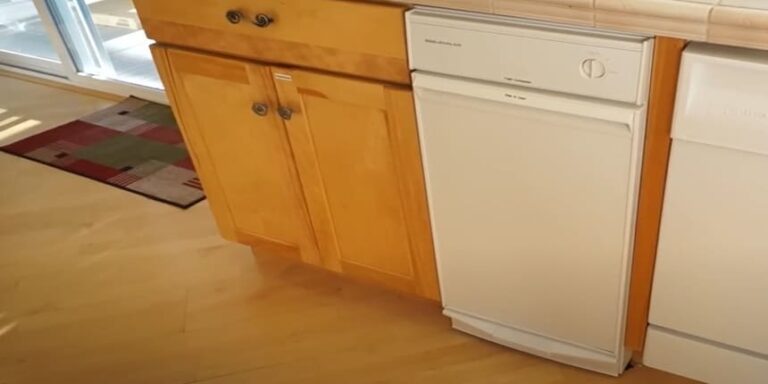
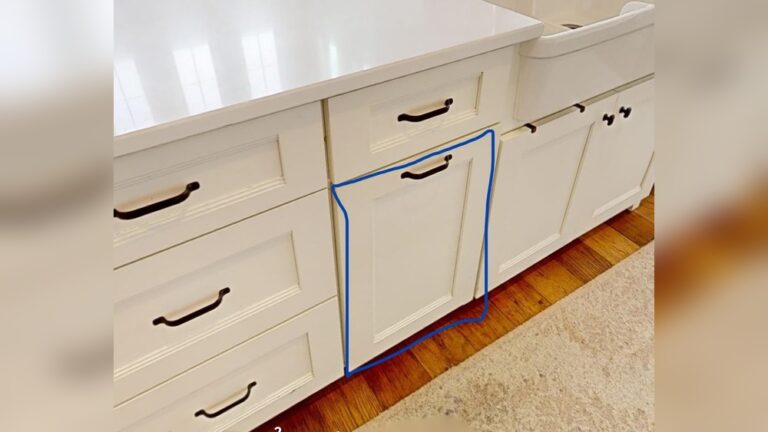
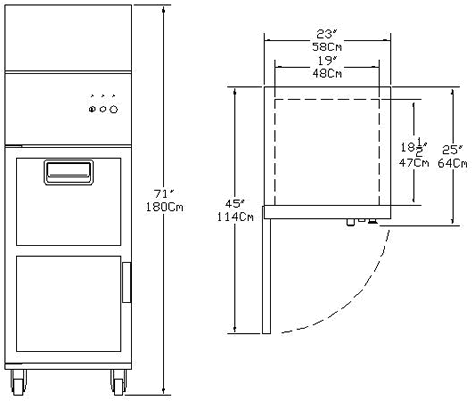
Most home trash compactors measure about 15 to 25 inches wide. Depth usually ranges from 20 to 24 inches. Height often falls between 30 and 35 inches. These sizes fit well under kitchen counters or in small utility areas.
Compact Models
Compact models are smaller and ideal for tight spaces. They often measure less than 15 inches wide. Depth can be as little as 18 inches. These models suit apartments or small kitchens with limited room.
Commercial Options
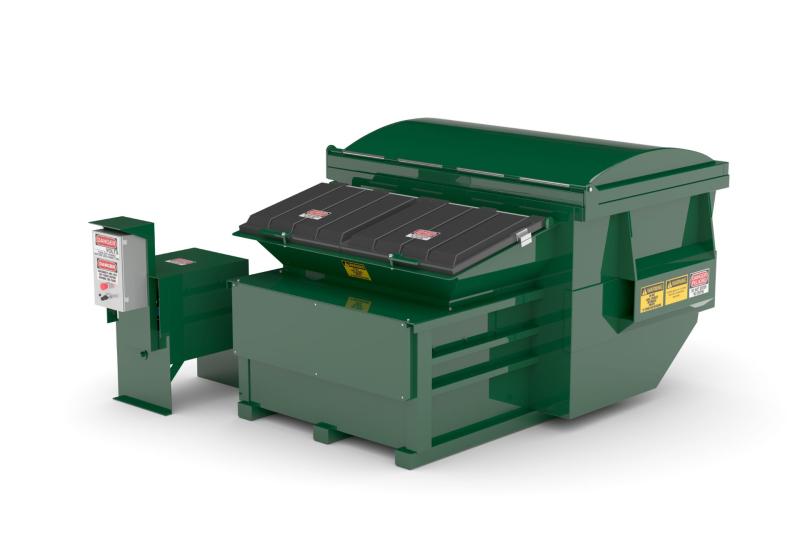
Commercial trash compactors are larger and heavier. They can be 30 inches wide or more. Depth often exceeds 30 inches to hold more waste. Height varies but can be over 40 inches. These units handle larger waste volumes for businesses or public spaces.
Credit: globaltrashsolutions.com
Factors Affecting Size Choice
Choosing the right size for a trash compactor depends on several key factors. These factors help match the compactor to your specific needs. Picking the correct size ensures efficient use and less hassle. Understanding these points makes the selection process easier and smarter.
Household Needs
Think about the number of people in your home. Larger families produce more waste daily. Smaller households create less trash and need smaller units. Consider lifestyle and habits. More cooking or cleaning means more waste to manage. Match the compactor size to daily trash output for best results.
Space Availability
Measure the space where the compactor will fit. Compact models suit small kitchens or tight areas. Bigger units need more room and clearance. Check doorways and counters for installation limits. A good fit avoids problems during use or repairs. Plan space before buying to save time and effort.
Waste Volume
Estimate how much waste your household produces weekly. High waste volume requires larger capacity compactors. Smaller volumes suit compact models with less storage. Consider trash type, such as food scraps or packaging. Some materials compress better than others. This affects how often you must empty the compactor.
Measuring Your Space
Measuring your space is the first step before buying a trash compactor. It helps to find the right size for your kitchen. Small mistakes in measurement can cause fitting problems later. Take your time and measure carefully.
Check all dimensions around the spot where you want to place the compactor. Measure width, height, and depth. This ensures the compactor fits well without blocking anything.
Kitchen Layout
Look at your kitchen layout to find the best place for the compactor. Measure the space under your sink or next to cabinets. Keep in mind how you use your kitchen daily. Choose a spot that does not interrupt your workflow.
Installation Requirements
Some trash compactors need extra space for plumbing or electrical connections. Measure the space needed for these parts before installation. Check the manufacturer’s guide for exact requirements. Proper space helps avoid costly changes later.
Clearance And Accessibility
Leave enough clearance around the compactor for easy use. Make sure the door can open fully without hitting anything. Also, check the space for maintenance tasks like cleaning or repairs. Good accessibility saves time and effort.
Capacity And Performance
The capacity and performance of a trash compactor determine how well it handles waste. They affect how much trash fits inside and how quickly the machine works. Understanding these factors helps choose the right compactor for your needs.
Compaction Ratio
The compaction ratio shows how much the trash volume reduces. A higher ratio means more trash fits in less space. Most compactors have ratios between 3:1 and 6:1. This means trash gets compressed to one-third or one-sixth its original size.
Bag Size Compatibility
Trash compactors use bags to hold compressed waste. Bag size compatibility is important for easy replacement. Common bag sizes range from 15 to 30 gallons. Choose a compactor that fits bags you can find easily.
Cycle Duration
Cycle duration is the time taken to compact trash once. Shorter cycles mean faster waste processing. Most compactors complete a cycle in 30 to 60 seconds. Quick cycles help keep the trash area clean and efficient.
Types Of Trash Compactors
Trash compactors come in different types to fit various needs and spaces. Choosing the right type depends on your home size and how often you create waste. Each type has unique features and sizes that affect where you can place it.
Built-in Models
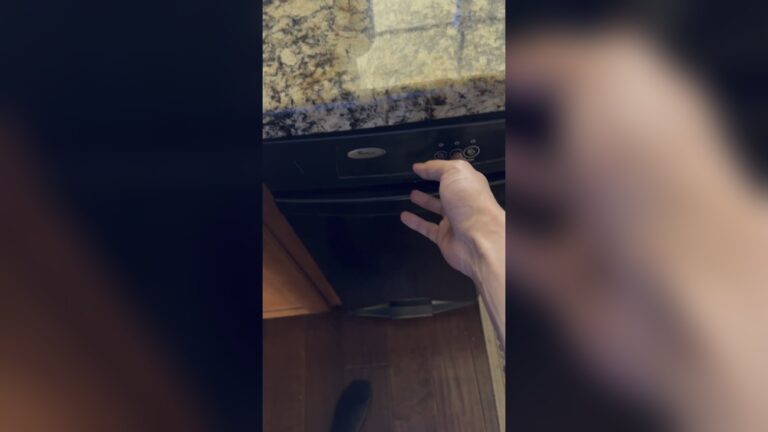
Built-in trash compactors fit under the kitchen counter. They save floor space and keep your kitchen tidy. These models usually have a standard width of 15 to 18 inches. They blend well with cabinets for a neat look.
Freestanding Units
Freestanding trash compactors stand alone and can move easily. They suit homes with more space or garages. These units are larger, often 20 to 30 inches wide. You can place them anywhere with enough floor space.
Portable Options
Portable compactors are small and lightweight. They work well for small apartments or offices. These models are easy to carry and store when not in use. Their size varies but is generally compact for convenience.
Credit: www.wastecare.com
Energy Efficiency And Noise Levels
Energy efficiency and noise levels are key factors in choosing a trash compactor. These features affect your electricity bills and home comfort. A good trash compactor saves power and works quietly. It fits well in small or large spaces without causing noise problems. Understanding power use and sound ratings helps you pick the best model for your needs.
Power Consumption
Trash compactors use different amounts of power. Most models run on 110 to 120 volts. The average power consumption is about 300 to 500 watts during operation. Some compactors have energy-saving modes that reduce electricity use. Choosing a compactor with low power use lowers your energy bills. It also helps the environment by cutting down wasteful energy.
Sound Ratings
Noise level is important for a quiet home. Trash compactors produce sound during compaction. The average noise level ranges from 50 to 70 decibels. This is about as loud as a normal conversation or background music. Some models have sound insulation to reduce noise. Quiet compactors cause less disturbance in kitchens and nearby rooms.
Maintenance And Durability
Trash compactors come in various sizes, but their maintenance and durability are key for long-term use. Proper care keeps the machine working well and extends its life. Small efforts in cleaning and routine checks prevent bigger problems later.
Cleaning Tips
Regular cleaning stops bad smells and blockages. Remove any trash bags and wipe the inside with warm, soapy water. Use a soft cloth to avoid scratches. Clean the compactor’s blade carefully to keep it sharp and effective. Dry all parts before using the compactor again.
Longevity Factors
Durability depends on the build quality and how often you use the compactor. Avoid overfilling to reduce strain on the motor. Check the power cord and buttons for damage regularly. Replace worn parts quickly to prevent bigger failures. Store the compactor in a dry place to avoid rust and corrosion.

Credit: www.amazon.com
Budget Considerations
Budget plays a key role when choosing the right trash compactor size. It helps narrow down options. Knowing your budget avoids overspending and finds a suitable model. Balancing cost with needs ensures a smart purchase.
Price Ranges
Trash compactors vary widely in price. Smaller, basic models start around $150 to $300. Mid-range compactors cost between $300 and $600. Larger or high-end models can go beyond $600. Prices depend on brand, size, and features.
Budget options may have fewer features but still work well. Expensive models often include advanced controls or quieter operation. A clear idea of price ranges guides your choices.
Cost Vs. Features
Higher cost often means more features. Some compactors offer adjustable compaction force or odor control. Others include stainless steel finishes or smart sensors. Decide which features are necessary for your needs.
Basic models handle everyday waste efficiently. Features add convenience but raise cost. Match features with your budget to get good value. Avoid paying extra for features you won’t use.
Conclusion
Trash compactors come in various sizes to fit different needs. Most average models are easy to place in kitchens or workspaces. Choosing the right size helps save space and reduce waste. Small units suit homes with less trash, while bigger ones fit busy places.
Knowing the average size guides you to pick what works best. It keeps your area neat and trash under control. Simple size choices make waste management easier every day.