Wondering what you can put in a trash compactor to make your waste smaller and easier to manage? You’re not alone.
Using your trash compactor the right way can save you space, reduce odors, and keep your kitchen cleaner. But if you’re not sure what belongs inside, you might be risking damage or making more work for yourself. You’ll discover exactly what items are safe to compact—and which ones you should avoid.
Keep reading to get the most out of your trash compactor and make your cleanup routine simpler than ever.
Trash Compactor Basics
Understanding trash compactor basics helps manage waste better. These machines reduce trash size, saving space in your home or office.
Trash compactors are simple tools. They press trash into smaller, denser blocks. This process makes trash bags last longer and keeps areas cleaner.
How Trash Compactors Work
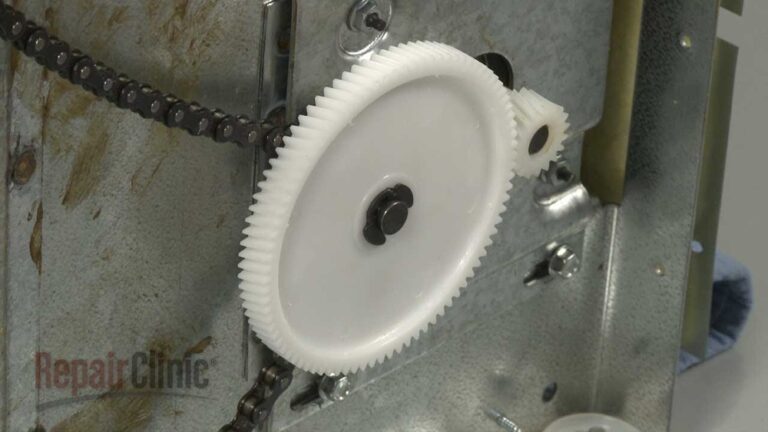
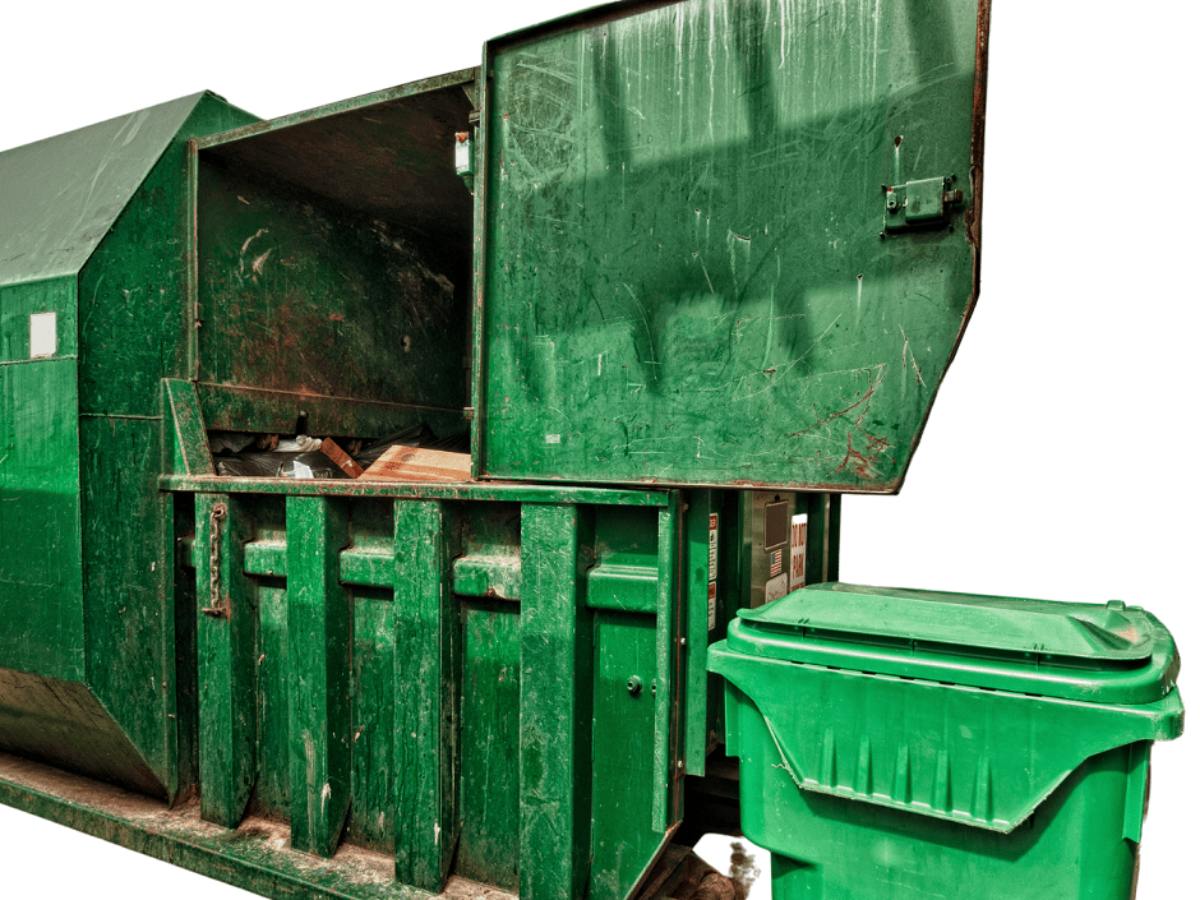
Trash compactors use a strong plate to press down trash. This plate moves down slowly and pushes waste tightly together. The compactor then holds the compressed trash in a bag or bin. This action reduces the volume of trash by about 50% to 80%.
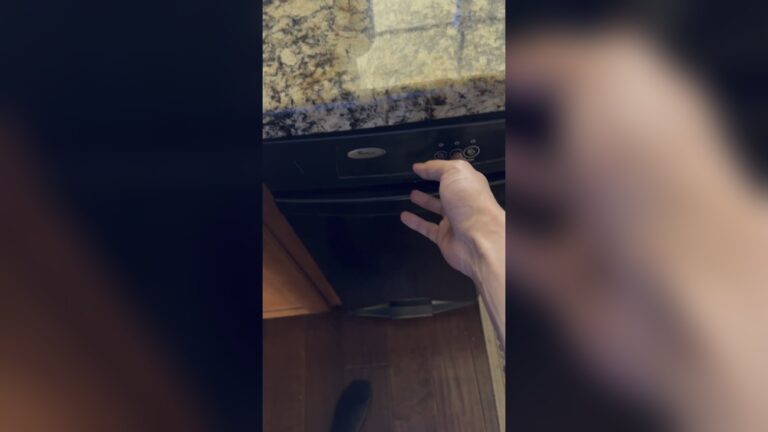
The compactor runs on electricity. A switch or button starts the pressing. Safety features stop the machine if the door opens. This keeps users safe during operation.
Types Of Trash Compactors
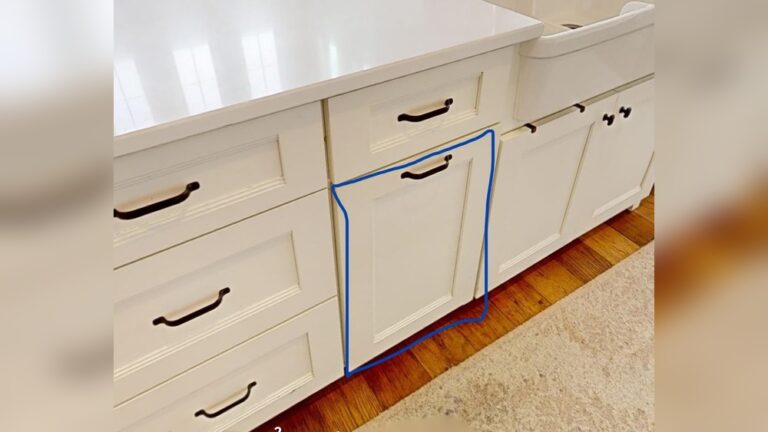
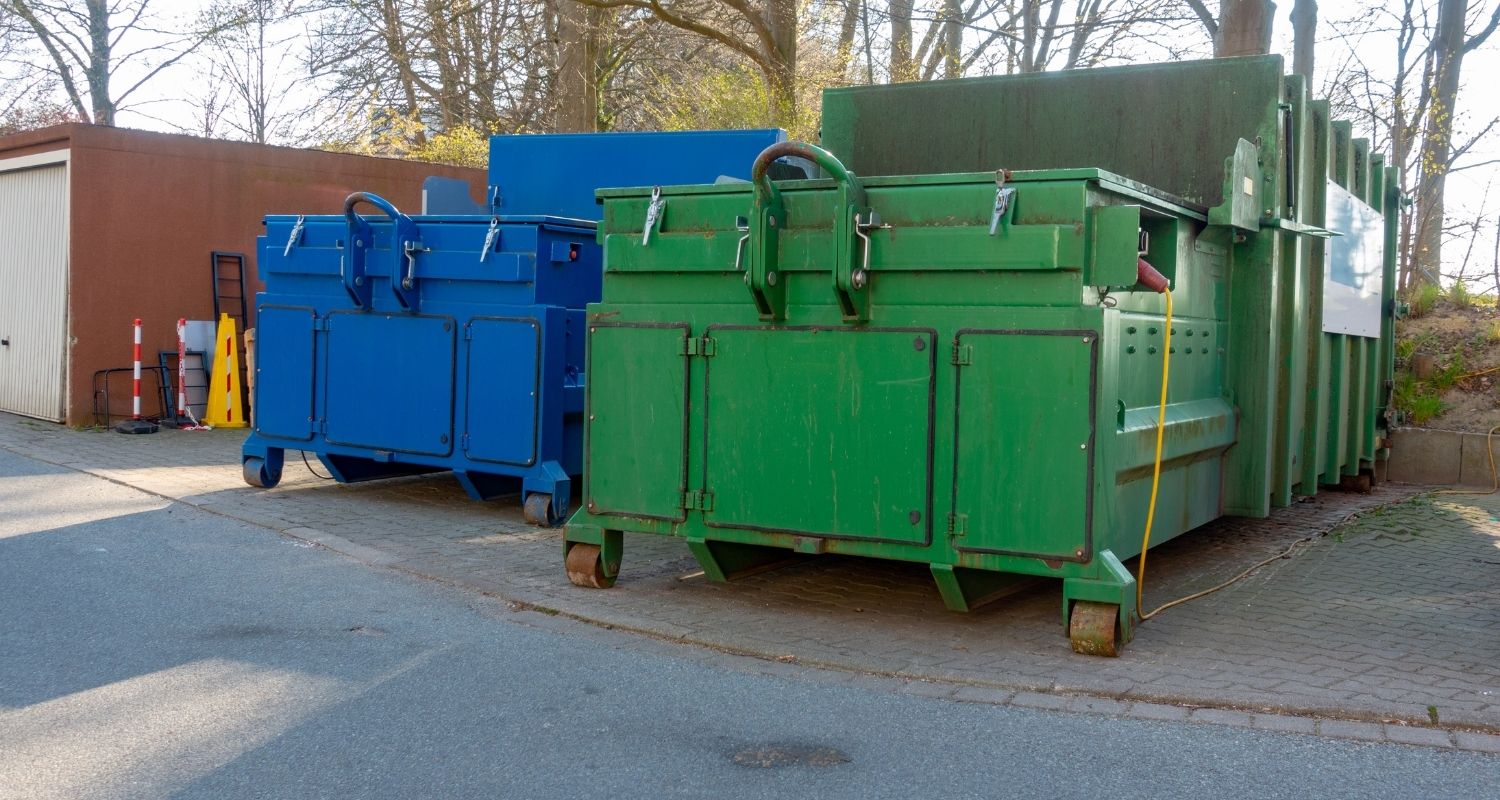
There are two main types of trash compactors: built-in and freestanding. Built-in compactors fit under kitchen counters. They save space and blend with cabinets. Freestanding compactors stand alone. They can be placed anywhere with power access.
Some compactors are manual. They need physical force to press trash. Most modern models use electric power. Electric compactors offer stronger compression and easier use.

Credit: www.fleetgenius.com
Items Suitable For Compactors
Trash compactors help reduce the volume of waste in homes. They work best with certain types of waste. Knowing what to put inside improves efficiency and safety. Some items are perfect for compacting, while others are not.
Household Waste
Common household waste is ideal for trash compactors. Food scraps, paper towels, and small plastics fit well. Avoid large or sharp items that can damage the machine. Soft materials compress easily and save space. Regular trash like old newspapers also works fine.
Packaging Materials
Many packaging materials are suitable for compactors. Cardboard boxes, plastic wrappers, and bubble wrap compress well. Flatten boxes before putting them in. Lightweight plastics reduce bulk and help the compactor run smoothly. Avoid metal or glass packaging, which can cause damage.
Yard Waste
Yard waste like leaves, small branches, and grass clippings can be compacted. These materials break down easily and fit inside the compactor. Avoid thick branches or stones that might harm the machine. Keep yard waste dry to prevent clogs and odors.
Items To Avoid In Compactors
Using a trash compactor helps reduce waste volume and saves space. Knowing what not to put inside keeps the machine safe and working well. Some items can cause damage or create safety hazards. Avoiding these materials protects your compactor and the environment.
Hazardous Materials
Never put batteries, paint cans, or chemicals in a compactor. These items can leak dangerous substances. They may cause fires or explosions inside the machine. Hazardous waste needs special disposal methods. Keep these materials out of compactors for safety.
Large Or Hard Objects
Avoid placing big metal pieces, glass, or stones in the compactor. These objects can jam or break the machine. Hard items also wear down the compactor’s blades quickly. Break large items into smaller parts before discarding. This prevents damage and keeps the compactor working smoothly.
Wet Or Liquids
Do not put liquids or very wet waste inside the compactor. Liquids can cause mold and bad smells. They may also damage the compactor’s motor or electrical parts. Let trash dry before compacting it. This helps keep the machine clean and functional.
Tips For Efficient Use
Using a trash compactor saves space and keeps your area tidy. Efficient use helps the machine last longer and work better. Simple steps make a big difference in performance and safety.
Preparing Trash For Compaction
Sort trash before putting it in the compactor. Remove liquids to avoid damage. Break large items into smaller pieces. Use bags that are strong and not too full. Avoid putting in metal, glass, or hazardous waste. These can harm the machine or cause injury.
Maintenance And Cleaning
Clean the compactor regularly to stop bad smells. Wipe inside surfaces after each use. Check for stuck trash or blockages. Empty the compactor bag when full. Look for wear and tear on parts. Replace damaged parts quickly to keep the machine safe.
Safety Precautions
Never put your hand inside the compactor while it runs. Keep children and pets away from the machine. Follow the manufacturer’s instructions closely. Turn off and unplug the machine before cleaning or fixing. Avoid overloading the compactor to prevent jams or damage.
Troubleshooting Common Issues
Troubleshooting common problems in your trash compactor helps keep it working well. Understanding typical issues saves time and prevents damage. This guide covers jams, odors, and mechanical faults.
Jams And Blockages
Trash compactors can jam if you put in hard or large items. Avoid compacting glass, metal, or thick plastics. These cause blockages and stop the machine from working. Clear jams carefully by unplugging the unit first. Use a tool or stick to remove stuck trash. Never force the compactor to run when jammed. Regularly check the drawer for small objects that can cause problems.
Unpleasant Odors
Bad smells happen when food waste stays inside too long. Clean the compactor drawer often with warm, soapy water. Use baking soda to absorb odors naturally. Avoid putting wet or rotting items in the compactor. Proper ventilation helps reduce smells. Keep the compactor dry after cleaning to prevent mold growth.
Mechanical Problems
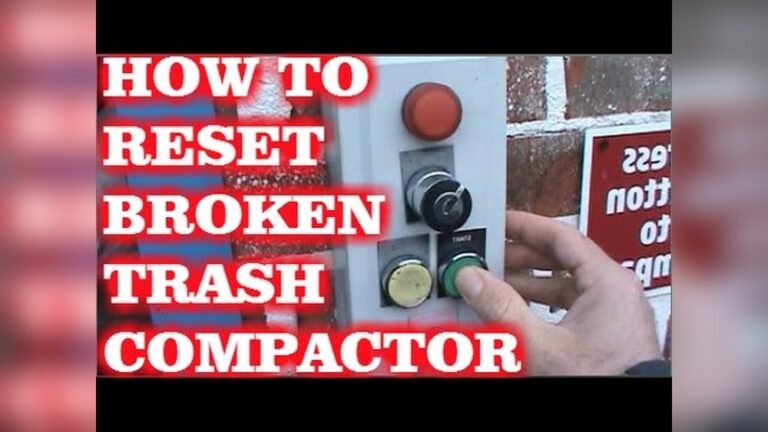
Mechanical issues include strange noises or failure to compact. Check the power cord and switch for damage. Look for loose or broken parts inside the compactor. Lubricate moving parts as recommended by the manufacturer. If the compactor does not start, reset the safety switch. Call a professional technician for complex repairs. Routine maintenance extends the machine’s life.
Credit: www.reactiondistributing.com
Credit: globaltrashsolutions.com
Frequently Asked Questions
What Types Of Waste Can Go In A Trash Compactor?
You can put dry household waste, such as paper, cardboard, plastic, and food wrappers, in a trash compactor. Avoid liquids and hazardous materials to prevent damage and odors.
Can I Put Glass Or Metal In A Trash Compactor?
Glass and metal items are generally not recommended for trash compactors. They can damage the machine or cause safety hazards during compaction.
Are Food Scraps Suitable For Trash Compactors?
Small amounts of dry food scraps are okay, but avoid wet or greasy food waste. Excess moisture can cause odors and jam the compactor.
Can Hazardous Or Chemical Waste Go In A Trash Compactor?
No, hazardous, chemical, or toxic waste should never go into a trash compactor. These materials require special disposal methods to ensure safety.
Conclusion
A trash compactor helps reduce waste size at home. You can put many soft and small items inside. Avoid hard, sharp, or wet materials for safety. Always check your compactor’s guidelines before use. Keeping the right trash in the compactor saves space.
It also makes trash disposal cleaner and easier. Use your compactor wisely to keep your home tidy. Simple steps lead to better waste management every day.