
Have you ever wondered what happens when you toss your trash into a compactor? How does a trash compactor actually work to shrink your garbage and keep your space cleaner?
This clever machine can change the way you manage your waste every day, that’s why you should know how it works.
You’ll discover the secrets behind a trash compactor’s power and why it might be the perfect addition to your home or office. Keep reading, you’ll be surprised at how this little device can make a big difference in your daily life.
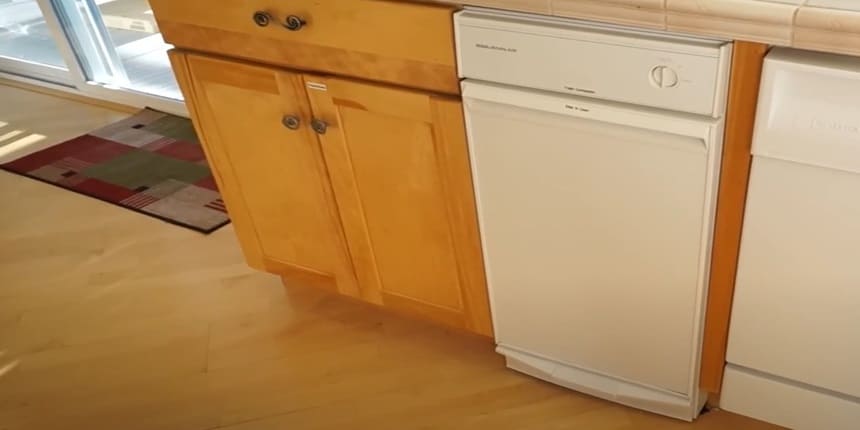
Basics Of Trash Compactors Definition
Trash compactors help reduce the volume of waste by pressing it into a smaller size. This process saves space and makes waste easier to manage.
Trash compactors come in different designs and sizes. Each type serves a unique purpose based on where it is used. The key parts inside a compactor work together to crush and compress the trash efficiently.
Types Of Trash Compactors
There are mainly two types of trash compactors:
- Residential
- Commercial
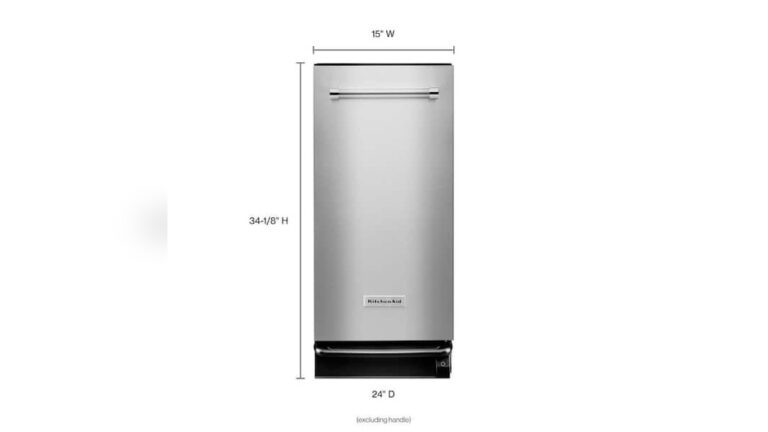
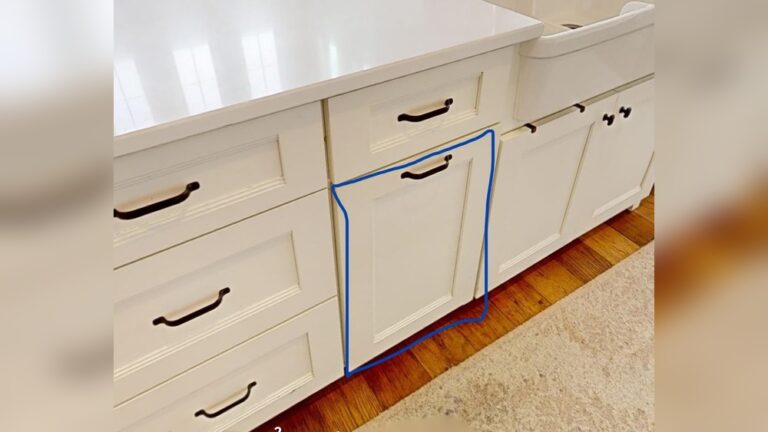
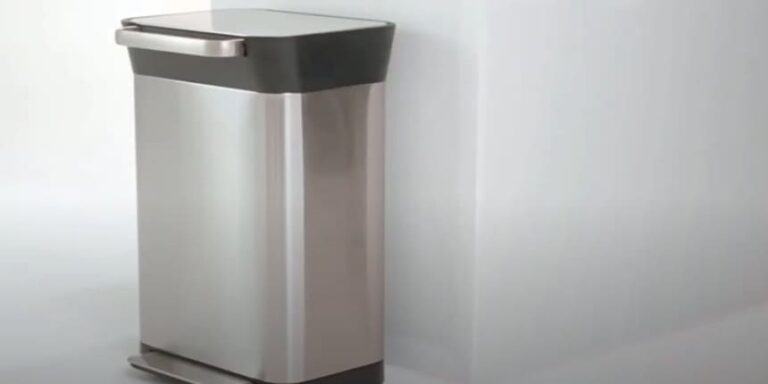
Residential compactors are smaller and fit under kitchen counters.
Commercial compactors are larger, used in businesses or apartment buildings.
Some compactors are manual, requiring hand operation.
Others are automatic, using electric power to compact trash. Choosing the right type depends on the amount and type of waste.
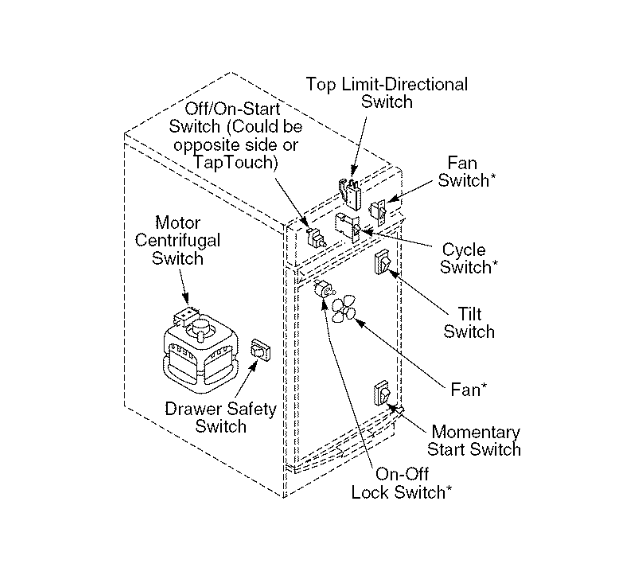
Key Components in Compactors
Trash compactors have several important parts.
#1: The ram is a flat plate that moves to press the trash.
#2: A motor powers the ram’s movement.
#3: The compactor’s container holds the trash during compression.
#4: Safety switches stop the machine if the door opens.
#5: A control panel allows users to start and stop the compactor.
These parts work together to make trash smaller and easier to handle.
Credit: www.searshomeservices.com
how do trash compactors work
Trash compactors make waste management easier by reducing trash volume. They work through a simple process that compresses garbage into smaller, denser blocks.
This helps save space in bins and lowers the frequency of trash disposal. Understanding how trash compactors operate reveals the basics behind this useful machine.
Compression Mechanism of How Trash Compactors Operate
The key part of a trash compactor is its compression mechanism. It uses a flat plate or ram to press down on the trash.
This plate moves downwards, pushing the garbage into a compact block. The pressure crushes air pockets and loose waste, making the trash much smaller.
Power Sources
Trash compactors need power to operate the compression plate.
Most use electric motors powered by a household outlet.
Some models run on batteries for portability.
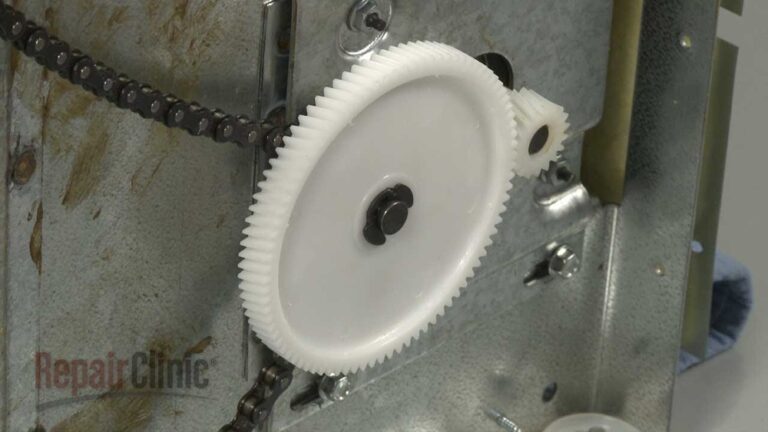
The motor drives a hydraulic or mechanical system that moves the compression plate down and up.
Cycle Process
Operating a trash compactor follows a set cycle.
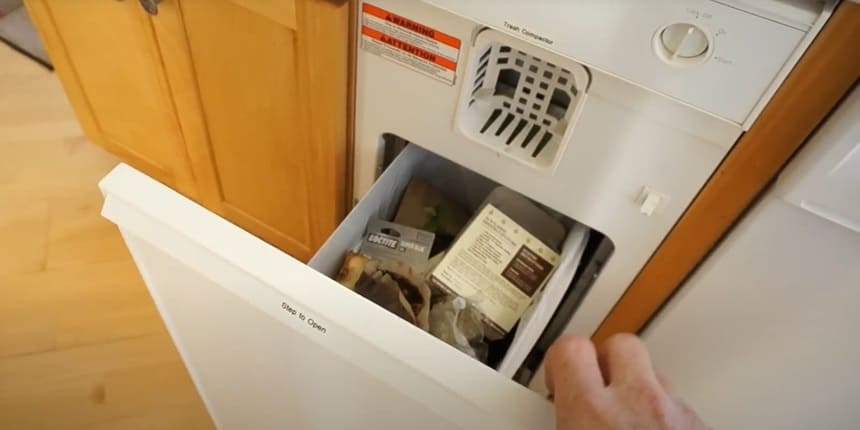
1. First, you load trash into the bin.
2. Then, you close the lid and start the machine.
3. The compression plate lowers, pressing the trash into a tight block.
4. After reaching the end, the plate rises back to its original position.
The cycle is ready to repeat with new trash.
Benefits Of Using Trash Compactors – why use a trash compactor
Trash compactors offer several benefits that make waste management easier and cleaner. They help reduce the volume of trash and improve overall space use. Using a trash compactor can save money and make your environment tidier.
These devices work by pressing trash into a smaller size. This simple process brings many advantages to trash compactors for home and businesses alike.
#1 Space Saving
Trash compactors shrink the size of your waste. This means less trash takes up less space.
You can fit more garbage in one bin. This reduces the need for many trash bags or bins. It helps keep areas neat and free from clutter.
#2 Waste Reduction
Compacting trash lowers the number of pickups needed. Smaller trash piles reduce overflow and mess.
Less waste volume helps the environment by cutting down on landfill use. It also stops trash from blowing away or spilling.
#3 Cost Efficiency
Using a trash compactor cuts down on trash bags and bin liners. It lowers the cost of waste collection services.
Fewer pickups mean saving on fees and fuel. Over time, this saves money for homes and businesses.
Choosing The Right Trash Compactor
Choosing the right trash compactor can make waste management easier and more efficient. Different needs require different types of compactors. Understanding key factors helps you pick the best option for your space and use.
Home Vs Commercial Use
Trash compactors for home use are smaller and designed for everyday waste. They fit under counters or in small spaces. Commercial compactors are larger and built for heavy-duty use.
They handle more waste and operate faster. Knowing the difference helps match the compactor to your waste volume.
Size And Capacity
Size matters when selecting a trash compactor. A compact unit works well for small households. Larger families or businesses need a bigger capacity to avoid frequent emptying.
Consider the space where you will place the compactor. Measure carefully to ensure a good fit and ease of use.
Energy Consumption
Energy use affects running costs and environmental impact. Some trash compactors use more power than others. Look for energy-efficient models that save electricity.
These models reduce bills and are better for the planet. Check energy ratings before buying to find the best balance.
Maintenance Tips For how to use trash compactor
Keeping a trash compactor in good shape helps it last longer. Regular care stops problems before they start. Simple steps can keep your machine working smoothly every day.
#1: Regular Cleaning
Clean the compactor after each use. Remove all debris and food scraps from inside.
Wipe down surfaces with a damp cloth and mild soap.
Dry it well to avoid rust and bad smells. Clean the drawer and seals to keep them tight.
#2: Troubleshooting Common Issues
If the compactor does not start, check the power connection.
Look for jams or blockages inside the machine. Clear any stuck trash carefully to avoid damage. Listen for strange noises that may show a problem. Reset the unit if it stops working suddenly.
#3: Safety Precautions
Always unplug the compactor before cleaning or fixing it. Keep hands and tools away from moving parts.
Use gloves to protect your hands from sharp edges. Do not overload the compactor to avoid damage. Follow the manufacturer’s instructions for safe use.
Innovations In Trash Technology – are trash compactors worth it
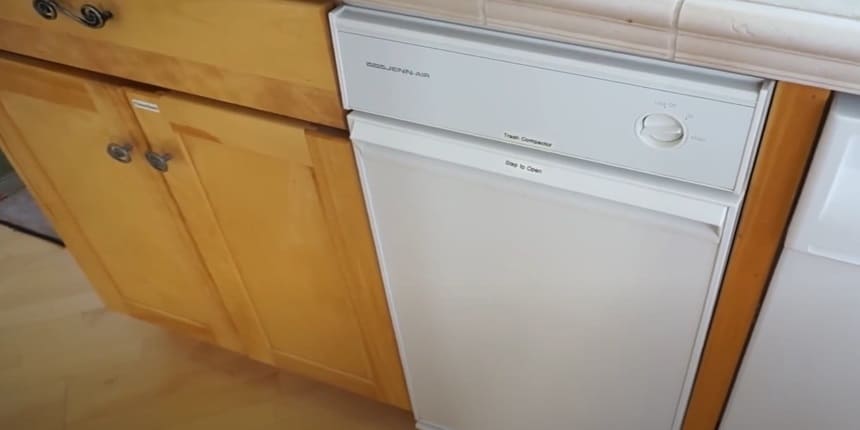
Trash compactors have evolved a lot over the years. New technology makes them smarter and better for the planet. These changes help users save space and reduce waste more efficiently.
The latest models come with features that make them easier to use and kinder to the environment.
Smart Features
Modern trash compactors often include smart sensors. These sensors detect how full the bin is and start the compaction automatically.
Some models connect to mobile apps, sending alerts when the bin needs emptying.
Voice control and touch screens are becoming common, making the machine easier to operate.
These features improve convenience and reduce the chance of overflow.
Eco-friendly Designs
Many trash compactors now focus on eco-friendly materials. Manufacturers use recycled plastics and metals to build durable units. Energy-efficient motors help reduce electricity use during compaction.
Some models even separate recyclables from regular waste inside the machine. These designs support waste reduction and help protect the environment.
How Does A Trash Compactor Reduce Waste Volume?
A trash compactor compresses waste by applying strong pressure. This reduces the volume of trash up to 80%.
It helps save space in bins and reduces the frequency of garbage disposal. Compacted waste is easier to handle and transport, improving efficiency.
What Types Of Trash Can A Compactor Handle?
Trash compactors typically handle household waste like paper, plastic, and food scraps.
Some models manage cardboard and cans too.
However, hazardous materials and large bulky items should not be compacted. Always check the manufacturer’s guidelines for safe use.
How Safe Is It To Operate A Trash Compactor?
Trash compactors are designed with safety features like automatic shut-off.
Keep your hands away from the compaction area during operation. Follow all safety instructions and use the machine as intended. Proper maintenance also ensures safe and efficient performance.
How Does A Trash Compactor Save Money?
Using a trash compactor reduces the volume of waste, lowering disposal costs.
It decreases the number of trash pickups needed, saving fees.
This is especially beneficial for businesses or large households with significant waste production.
The Verdict
A trash compactor helps reduce waste size quickly and easily. It pushes garbage into a tight, smaller bundle.
This saves space in your bin or dumpster. Using one means fewer trash bags and less frequent pickups. It also helps keep your area cleaner and less smelly.
2 Comments